
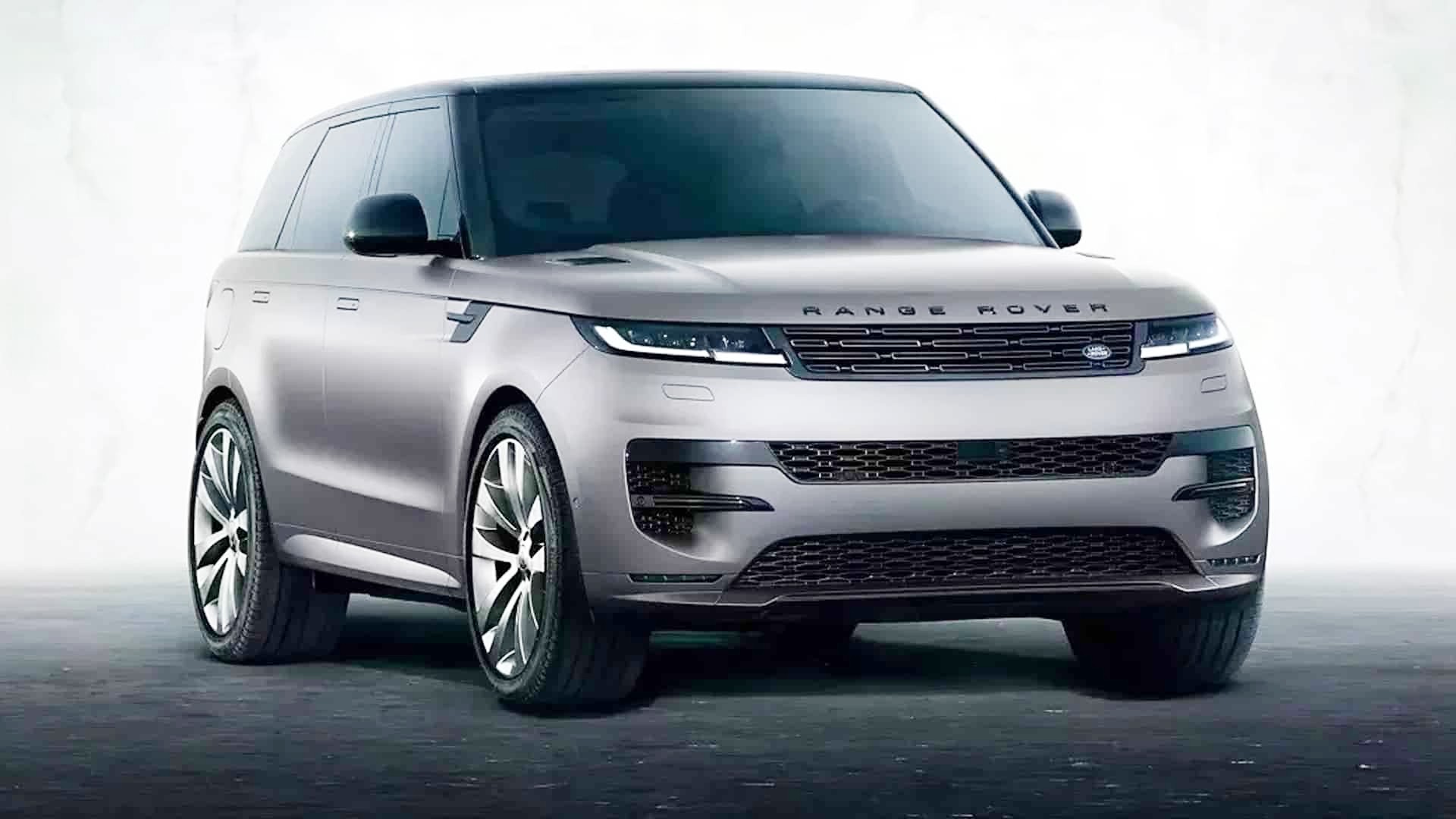
Jaguar Land Rover (JLR) has reported a 49% drop in quarterly profits, blaming the sharp decline on a combination of steep US import tariffs and a slowdown in vehicle sales, particularly in its key North American market. The company said that the recently agreed US–UK trade deal would help cushion the impact of tariffs in future quarters, but warned that challenging global conditions remain.
Tariffs weigh heavily on exports
The company faced a 25% import levy on certain UK-built models entering the US, a measure introduced during recent trade tensions. JLR said the tariffs alone had shaved hundreds of millions of pounds from its quarterly earnings, compounding weaker demand for premium SUVs. US sales were down by double digits, with executives citing not only higher sticker prices but also a cautious consumer climate in the face of slowing economic growth.
US–UK trade deal offers some relief
Chief executive Adrian Mardell confirmed that the newly signed trade agreement between Washington and London will remove or significantly reduce tariffs on most JLR models over the next 12 months. “This deal brings welcome relief for our export competitiveness in our largest single overseas market,” he said, adding that the company expects to recover some lost sales once pricing pressure eases. However, Mardell cautioned that the benefit will be gradual and dependent on a broader stabilisation of the US luxury vehicle market.


Global headwinds continue to challenge performance
Outside the US, JLR’s results were mixed. European sales remained relatively stable, with moderate growth in Germany and France offsetting declines in southern Europe. In China, demand for Range Rover and Jaguar models softened after two years of strong growth, partly due to intensified local competition and a slowdown in high-end consumer spending.
Electrification push remains central to strategy
Despite the difficult quarter, JLR reaffirmed its commitment to electrification, with new electric Range Rover and Jaguar models on track for launch in 2025. The company is investing heavily in its UK and Slovakian plants to expand battery production and streamline its supply chain. Mardell said the shift to electric vehicles remains “a strategic imperative” for the group, as it seeks to offset declining demand for internal combustion models in key markets.
Outlook cautiously optimistic
Analysts say the combination of easing trade barriers and a refreshed product line-up could help JLR recover in the second half of the financial year. However, the company faces persistent risks from global economic uncertainty, raw material price volatility, and fluctuating consumer sentiment.
REFH – Newshub, 9 August 2025
Recent Comments