

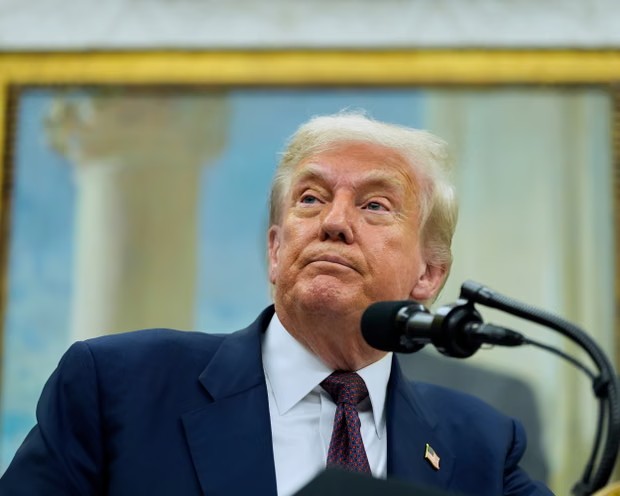
The International Criminal Court’s arrest warrant for Russian President Vladimir Putin is limiting the list of potential venues for a future summit with Donald Trump, should the former US president return to office. The legal and diplomatic implications of the warrant are already shaping strategic considerations around future US–Russia engagement.
Warrant restricts travel to ICC member states
The ICC issued the warrant for Putin in March 2023 over alleged war crimes related to Russia’s deportation of Ukrainian children during the invasion. As a result, any of the 124 member states that recognise the court’s jurisdiction are technically obligated to arrest him if he enters their territory.
This has narrowed the field of possible summit locations, making any formal meeting between Putin and Trump – or any other Western leader – more difficult to arrange outside of non-ICC member states. Many of these countries are either adversaries of the West or politically neutral powers reluctant to host high-profile events with such legal overhang.

Trump’s team signals interest in renewed engagement
Although Trump has not confirmed a formal summit if re-elected, aides have hinted at openness to re-engaging with Moscow to end the war in Ukraine and reassert US influence in global affairs. During his presidency, Trump held several meetings with Putin, most notably in Helsinki in 2018 – a country that now presents legal challenges, as Finland is an ICC member.
Trump has previously criticised international institutions like the ICC and may seek to bypass them if re-elected. However, even if the US is not a party to the Rome Statute, hosting or attending a summit with Putin in a neutral third country would require careful diplomatic calibration.
Putin’s options remain limited
Putin has drastically reduced his international travel since the warrant was issued, attending major summits only in non-ICC states such as China and the UAE. A potential Trump–Putin summit would likely need to be held in one of these jurisdictions or in Russia itself – an option that would carry significant political risk for any American leader.
Alternatively, nations such as India, Turkey, or Saudi Arabia – all non-members of the ICC – are viewed as feasible hosts, though their willingness to mediate such a high-stakes meeting remains uncertain. Their diplomatic alignment could shift depending on how global tensions evolve between now and early 2025.
Legal complexities meet geopolitical calculation
Even if a host country agrees to facilitate the meeting, the optics of a US leader – especially one critical of NATO and international norms – sitting with an indicted figure could carry domestic political repercussions. For Trump, who faces his own legal issues, the choice of venue could become as symbolic as the content of the talks themselves.
The ICC warrant has introduced a legal layer to global diplomacy not seen since similar actions were taken against Sudan’s Omar al-Bashir. In Putin’s case, the warrant may serve as a lasting constraint on where and how he can be engaged by Western leaders, regardless of their political leanings.
REFH – Newshub, 7 August 2025