

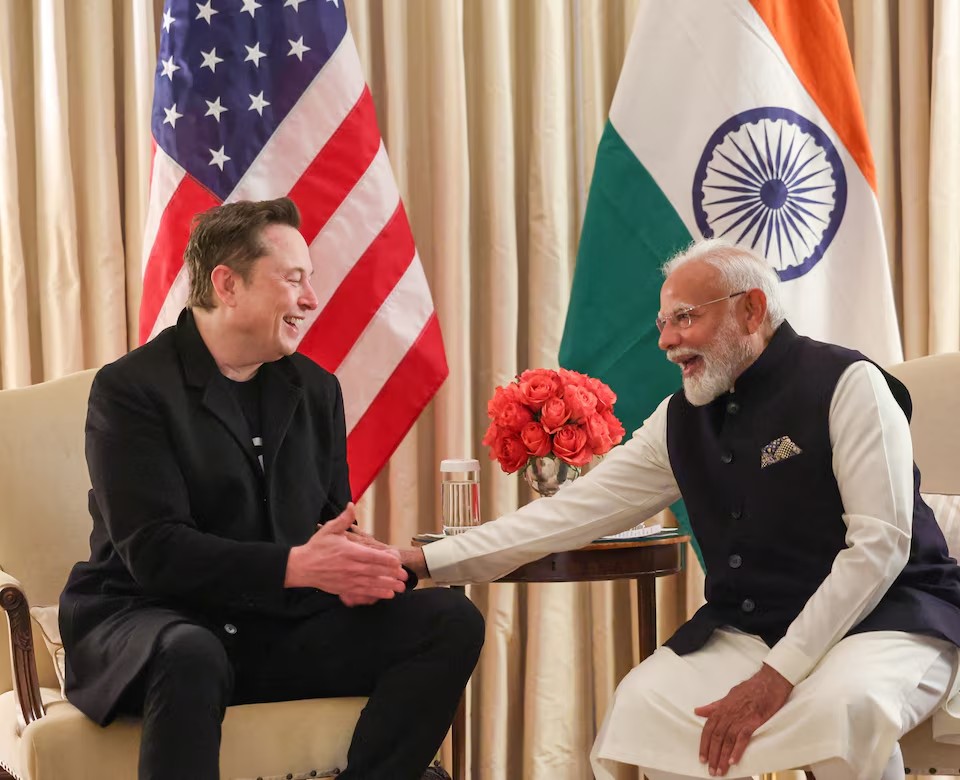
A high-stakes confrontation is unfolding between Elon Musk’s social media empire and India’s government, highlighting the broader global clash over internet freedom and state control.
At the heart of the dispute is India’s demand that platforms like Twitter—now owned by Musk’s X Corp—comply with stringent censorship rules aimed at curbing misinformation, hate speech, and content deemed politically sensitive. Musk’s vocal commitment to “free speech” often collides with the Indian government’s insistence on tighter regulation, creating friction that has escalated in recent months.
India’s expansive censorship regime
India enforces one of the world’s toughest internet regulations through the Information Technology (Intermediary Guidelines and Digital Media Ethics Code) Rules, 2021. These rules compel social media companies to remove flagged content swiftly, identify original posters of problematic posts, and appoint compliance officers in India.

The government argues these measures protect public order and national security, especially in a country where social media can rapidly influence communal tensions. However, critics say the rules are used to silence dissent, restrict free expression, and exert political control.
Musk’s defiance and platform challenges
Since acquiring Twitter in 2022, Musk has positioned himself as a champion of unrestricted speech. He has pushed back against India’s demands, cautioning that overzealous censorship risks turning platforms into “tools of authoritarianism.”
The standoff has resulted in several clashes, including delays in appointing compliance officers and disputes over content removal requests. Musk’s team has also criticised India for what they call “ambiguous” and “broad” definitions of prohibited content, making compliance a legal minefield.
Economic and reputational stakes
India is a crucial market for Musk’s platform, with hundreds of millions of users and significant advertising revenue potential. Non-compliance risks fines, legal action, and even bans on operations—outcomes Musk wants to avoid.
Yet capitulating too far would undermine his global free speech stance, potentially alienating user bases and advertisers elsewhere. The balancing act affects not only Musk but the entire social media industry navigating China-like regulatory environments.
Broader implications for internet governance
The Musk-Modi battle encapsulates wider debates about sovereignty over digital spaces and the limits of platform self-regulation. It raises questions about whether governments can or should control speech online without threatening fundamental rights.
The conflict also spotlights how tech billionaires wield outsized influence on global communication, often clashing with democratic states’ efforts to maintain social cohesion and combat misinformation.
Outlook uncertain as tensions persist
Negotiations continue, but neither side shows signs of backing down. India insists on full compliance with its laws, while Musk’s platform is exploring ways to balance local regulations with its stated mission.
As India pushes ahead with its digital sovereignty agenda, the dispute with Musk signals a turning point in global internet policy—where principles of free expression increasingly collide with government demands for control.
REFH – Newshub, 6 August 2025
Recent Comments