

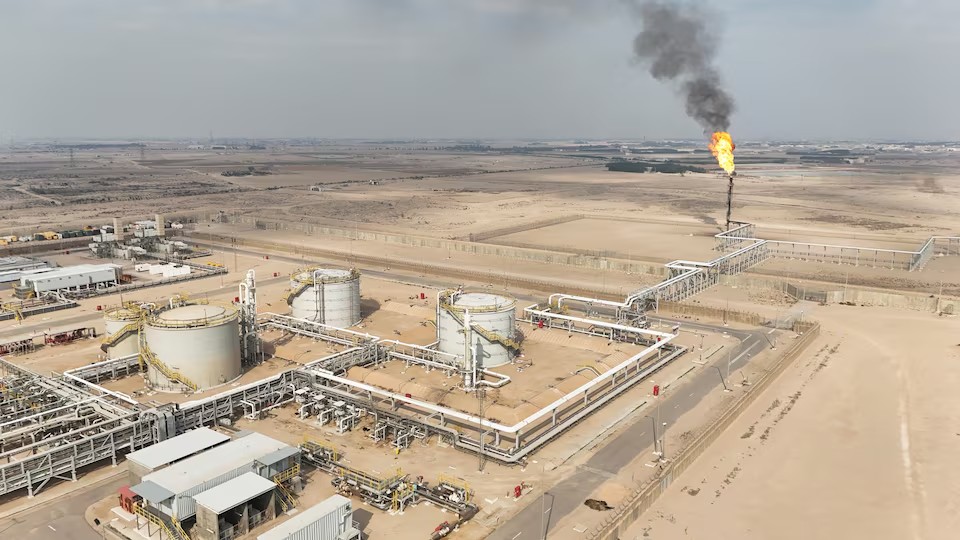
China’s smaller, independent oil companies are increasingly making inroads into Iraq’s oil sector, traditionally dominated by international majors such as ExxonMobil, Shell, and BP. This strategic shift highlights Beijing’s efforts to diversify its energy supply sources while challenging Western incumbents in one of the world’s largest oil-producing countries.
Breaking into a crowded field
Iraq’s oil industry has long been controlled by major international oil companies (IOCs) through service contracts and joint ventures. However, a growing number of Chinese independent firms—often referred to as “independents” or “private oil companies”—have begun securing stakes in upstream projects, midstream infrastructure, and refining operations. Companies such as CNPC’s smaller affiliates and Sinochem-backed entities are leading this charge.
These firms benefit from China’s vast financial resources and experience in operating in complex environments. They offer Iraqi authorities attractive terms and swift project execution, enabling them to carve out a niche in an otherwise tightly held market.

Strategic energy diplomacy
China’s push aligns with broader strategic objectives. Iraq is a critical source of crude for Chinese refiners, who aim to secure long-term supplies amid global market volatility. By promoting independent firms in Iraq, China diversifies its partnerships beyond state-owned giants, potentially increasing flexibility in pricing and contract terms.
Iraqi officials appear receptive, as these independents often bring investment and technology without the geopolitical baggage associated with Western majors. In recent months, Baghdad has signed new agreements with Chinese independents focusing on enhanced oil recovery and infrastructure upgrades.
Impact on incumbents and market dynamics
The arrival of Chinese independents is reshaping competition in Iraq’s oil landscape. While Western majors maintain dominant production shares, the new entrants pressure them to accelerate development timelines and reconsider contract structures. Some analysts suggest this could lead to more cost-effective and innovative projects.
However, challenges remain. Chinese independents must navigate Iraq’s complex regulatory environment, security risks, and local political dynamics. They also face scrutiny over environmental and social standards, areas where Western companies have historically invested more heavily.
Outlook amid shifting geopolitics
As US-China rivalry intensifies globally, Iraq finds itself a key arena for influence. Beijing’s expanding presence through independent oil firms could strengthen bilateral ties and reduce Iraq’s dependence on Western partners. Conversely, Washington and its allies may seek to counterbalance by reinforcing their own energy cooperation.
For now, China’s independents are quietly but steadily establishing themselves as credible players, signalling a new phase of competition and cooperation in Iraq’s oil sector.
REFH – Newshub, 4 August 2025
Recent Comments