
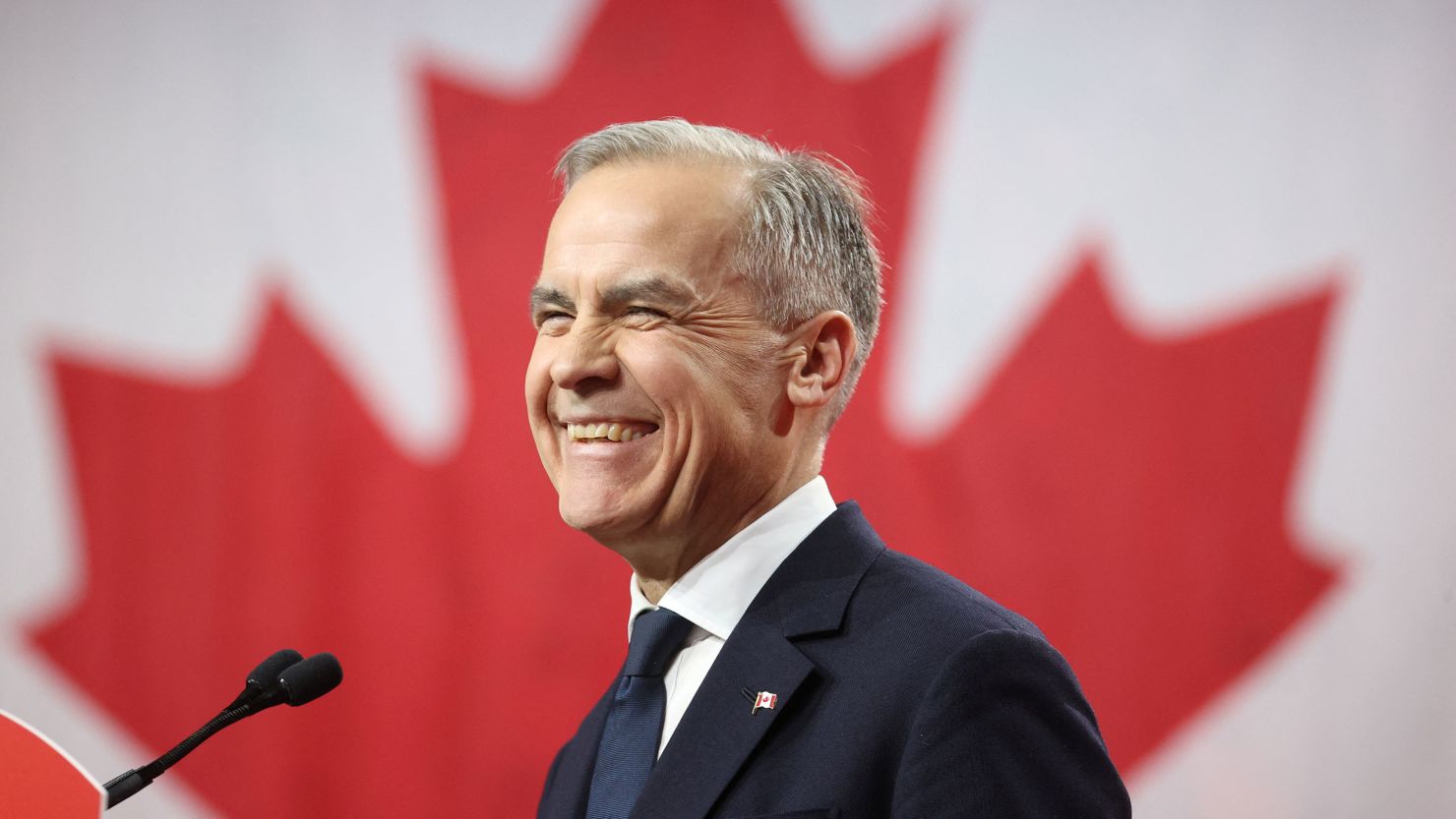
Prime Minister Mark Carney has announced that Canada will formally recognise the State of Palestine this September, marking a historic departure from decades of cautious diplomacy. The move comes amid a wave of international recognition efforts and signals a clear foreign policy shift under Carney’s leadership toward multilateral engagement and renewed support for a two-state solution.
Diplomatic recalibration under Carney
Speaking from Ottawa on Wednesday, Prime Minister Carney stated that the recognition would be formally declared at the United Nations General Assembly in September. “Canada believes in the right of both Israelis and Palestinians to live in peace, security, and dignity,” Carney said. “Recognising Palestinian statehood is a step toward a durable and just resolution.”
Canada’s decision aligns it with over 140 UN member states that have already extended formal recognition to Palestine. This latest policy is being seen as a definitive break from the Trudeau-era stance, which maintained humanitarian support for Palestinians but avoided full diplomatic recognition to avoid jeopardising ties with Israel and the United States.

Global and regional momentum
Carney’s announcement comes after recent recognition decisions by Spain, Ireland, and Norway — part of a growing bloc of nations advocating for renewed political attention to Palestinian sovereignty. The shift has gained urgency amid ongoing violence in Gaza and the West Bank and international concern about Israel’s settlement policy and the future of peace talks.
Canada’s recognition adds considerable weight to the movement, given its G7 status and traditional role as a Western mediator. Foreign policy analysts note that Carney’s background in international finance and diplomacy lends him credibility in repositioning Canada as a serious multilateral actor on the global stage.
Domestic reaction and political calculations
Reaction across Canada was divided. Pro-Palestinian groups and international law advocates praised the decision as long overdue, while critics, including some conservative lawmakers and pro-Israel organisations, warned of diplomatic fallout and accused the government of taking a unilateral stance on a highly complex issue.
Israel’s foreign ministry responded by expressing disappointment and stating that recognition outside of bilateral negotiations undermines the peace process. Carney’s office, however, has reiterated that Canada’s recognition of Palestine does not detract from its commitment to Israel’s security and sovereignty.
The decision comes just months after Carney assumed office, and reflects his intention to reshape Canadian diplomacy with a more assertive and values-driven framework.
Symbolic step with uncertain consequences
While the recognition is diplomatically significant, officials acknowledge that it is primarily symbolic. Canada does not currently operate an embassy in the Palestinian territories, and the government has not yet committed to establishing formal diplomatic infrastructure in Ramallah. However, senior officials confirmed that enhanced representation and development assistance are under active consideration.
The announcement is expected to shape Canada’s position in upcoming UN debates, especially those concerning ceasefire efforts, humanitarian access, and reconstruction in Gaza. It may also complicate Ottawa’s relations with Washington, where the Biden administration has so far held back from similar recognition moves.
Still, Carney’s government insists that now is the time to act. “Waiting indefinitely has brought us no closer to peace,” Carney said. “We are choosing to stand for dignity, diplomacy, and the principle that all peoples have the right to self-determination.”
REFH – Newshub, 31 July 2025
Recent Comments