
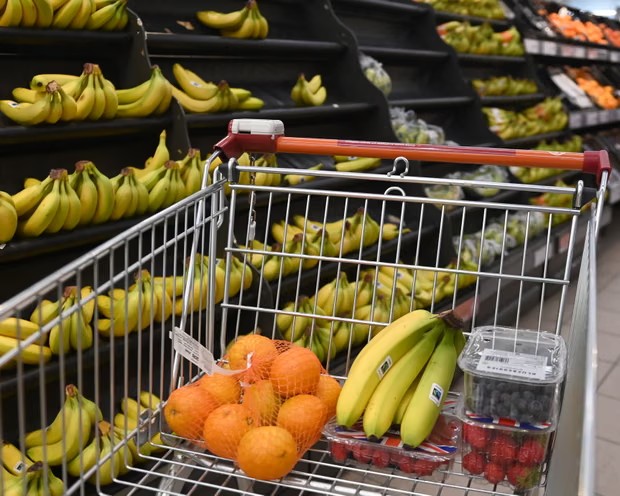
Rising food prices in the UK are forcing many consumers to cut back on high‑street shopping, turning instead to discount retailers and budget options as household budgets come under pressure. This shift is exacerbating the ongoing challenges faced by traditional brick‑and‑mortar stores across the country.
Food inflation reaches its highest level in 18 months
Grocery inflation surged to 5.2% in the four weeks to mid‑July 2025, marking the fastest rise since early 2024. This increase has added roughly £275 to the average household’s annual food bill. The sharp inflation has led two‑thirds of shoppers to express serious concern about affordability, significantly altering their purchasing habits.
Consumers shift spending habits
Faced with rising prices, shoppers are increasingly favouring own‑brand products and simpler meal options to stretch their budgets. Discount chains like Aldi and Lidl continue to gain market share, while online grocers such as Ocado report notable sales growth. Promotions and price cuts now account for a significant portion of supermarket sales, reflecting fierce competition for price‑sensitive consumers.

High street retail suffers from reduced footfall
Retail sales volumes on the high street have declined for ten consecutive months, according to industry data. The combination of rising food prices, higher labour costs, and economic uncertainty is prompting many households to reduce discretionary spending in physical stores. The result is a continued weakening of high‑street grocers’ sales, despite seasonal boosts from warm weather and promotions.
Outlook remains challenging
Experts warn that without relief from inflationary pressures, consumer caution will persist. Retail leaders urge policymakers to avoid measures that could increase business costs and further inflate prices. Forecasts suggest that grocery inflation could remain above 3% for the rest of 2025, potentially prolonging the strain on household finances and retail performance.
REFH – Newshub, 29 July 2025
Recent Comments