
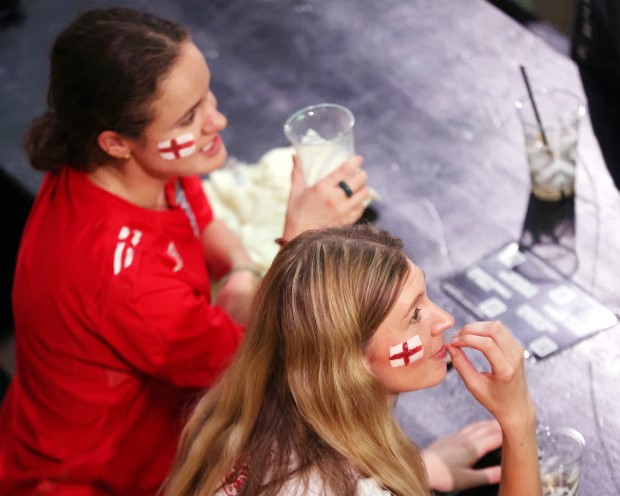
The Women’s Euro 2025 final is set to crown not only a champion on the pitch but also a major economic victory for British retailers, with supermarkets, pubs and high street shops expecting a combined boost of £800 million. The tournament, hosted across England, Scotland, Wales and Northern Ireland, has sparked nationwide spending tied to food, drink, apparel and hospitality.
Retailers score early wins
With record-breaking attendance and viewership figures throughout the group and knockout stages, UK retailers have already reported a surge in consumer spending. Supermarkets have seen notable increases in sales of snack items, barbecue supplies and alcoholic beverages, as fans stock up for match days. Major chains including Tesco and Sainsbury’s have rolled out dedicated Euro promotions, linking sales to patriotic branding and matchday events.
Meanwhile, pubs and hospitality venues have capitalised on a surge in bookings and foot traffic, especially in towns and cities hosting fixtures. Pub chains estimate an additional £250 million in spending linked directly to televised matches and extended hours.

Women’s football proves its commercial muscle
The tournament’s success underscores the growing economic clout of women’s sport in the UK. Analysts say that the blend of national pride, summer scheduling, and a competitive home team has driven strong audience engagement—translating to commercial dividends across multiple sectors.
Retailers have also reported a marked rise in sales of England, Scotland and Wales women’s kits, with apparel purchases for the Lionesses outselling some men’s team equivalents in recent weeks. Merchandise tied to specific players has grown sharply, signalling a shift in fan culture and marketing dynamics.
Broader high street gains and future potential
Beyond match-specific spending, economists suggest the Euros have lifted footfall on high streets, with shoppers more inclined to visit stores before or after matches. Sales of televisions, outdoor furniture and themed party items have also climbed, boosting both large retailers and small independent businesses.
Experts believe this year’s tournament will serve as a blueprint for how women’s football can support retail and hospitality sectors in future cycles. The cumulative £800 million gain is being framed as a vital injection of spending at a time when UK retail faces persistent headwinds from inflation, reduced consumer confidence and digital competition.
Government and industry praise ripple effect
The Treasury and the British Retail Consortium have both welcomed the figures, noting the tournament’s positive impact on employment and regional business activity. Ministers are expected to point to the Euros as proof that sport-led events can serve as targeted economic stimulus.
As the final approaches, anticipation continues to build—not only for the result on the field but also for the full extent of the tournament’s economic footprint. For many retailers and publicans, the Women’s Euro 2025 has already delivered a championship-level performance.
REFH – Newshub, 27 July 2025
Recent Comments