
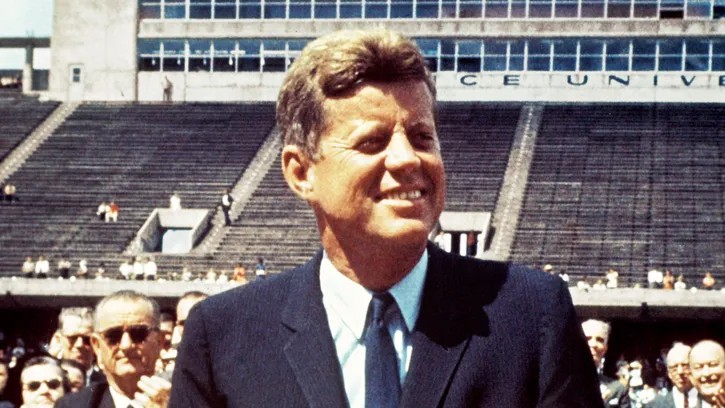
The new biography JFK: Public, Private, Secret by journalist Joe Thomas presents a detailed and balanced portrait of John F. Kennedy, exploring the complexities behind the image of America’s 35th president. The book delves into both his celebrated public leadership and the lesser-known private challenges that shaped his tenure and legacy.
A multifaceted portrayal of JFK
Thomas’s work aims to move beyond the standard hagiographies and conspiracy-laden narratives, providing readers with a carefully researched account that covers Kennedy’s political rise, wartime service, and personal life. The book highlights his charismatic public persona, which inspired a generation, alongside the vulnerabilities and contradictions that characterised him.
The author draws on newly declassified documents and interviews with contemporaries to shed light on Kennedy’s policy decisions during pivotal moments such as the Cuban Missile Crisis and the early stages of the Vietnam War. These accounts reveal the pressures and dilemmas JFK faced in balancing Cold War tensions with domestic priorities.
Private struggles and hidden facets
The biography also explores Kennedy’s health issues, including chronic back pain and Addison’s disease, which were often concealed from the public. Thomas details how these ailments influenced JFK’s stamina and decision-making, complicating the picture of a vigorous and youthful leader.
Moreover, the book addresses aspects of Kennedy’s personal life, including his relationships and family dynamics, without sensationalism but with contextual nuance. This approach aims to humanise the president rather than diminish his accomplishments.
Contextualising a legacy
JFK: Public, Private, Secret situates Kennedy’s presidency within the broader social and political currents of the early 1960s. The work examines how his New Frontier agenda sought to promote civil rights, space exploration, and economic growth, while also acknowledging the limitations and controversies that arose.
Thomas argues that JFK’s enduring legacy stems not only from his policies but also from the symbolic role he played during a period of rapid change and uncertainty. His assassination in 1963, still the subject of extensive public fascination, is discussed with care to separate fact from myth.
Implications for modern readers
This biography offers valuable insights for contemporary audiences seeking to understand the complexities of leadership under pressure and the interplay between public image and private reality. It invites reflection on the ways historical figures are remembered and the importance of critical examination beyond popular myth.
In a political climate often marked by division, JFK: Public, Private, Secret serves as a reminder of the multifaceted nature of power and the enduring impact of presidential decisions on national and global affairs.
REFH – Newshub, 16 July 2025

Recent Comments