
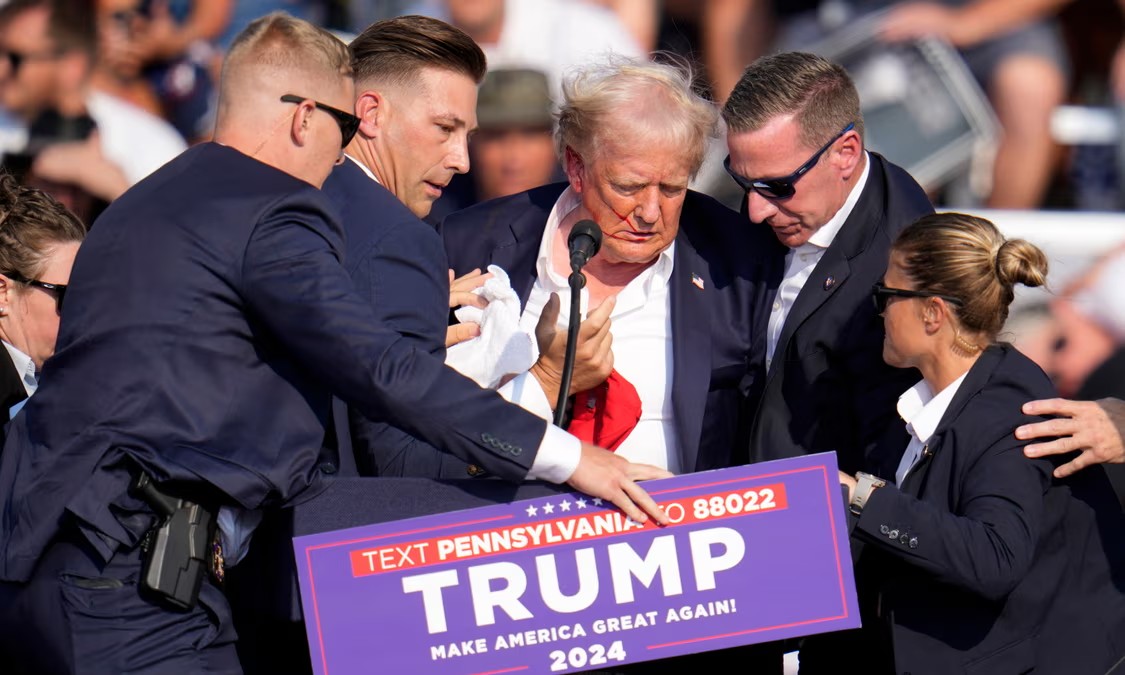
A recent investigative report has revealed a series of security lapses and misjudgments by the Secret Service that collectively enabled an assassination attempt against former President Donald Trump. The findings expose serious flaws in protective protocols and have raised urgent questions about the agency’s preparedness and oversight.
Chain of security breakdowns
According to the report, a ‘cascade of failures’ spanning personnel, communication, and procedural shortcomings allowed an armed individual to approach Trump during a public event. Key vulnerabilities included insufficient screening of attendees, lapses in perimeter control, and delayed responses from security teams.
The report identifies multiple missed warning signs and inadequate threat assessments in the days leading up to the incident, suggesting systemic weaknesses rather than isolated mistakes.
Impact on agency credibility
The Secret Service, charged with safeguarding current and former presidents, faces intense scrutiny as questions mount about its ability to protect high-profile figures effectively. Critics argue that complacency and resource constraints have contributed to a decline in operational standards.
Senior officials have pledged reforms, including enhanced training, upgraded technology, and stricter accountability measures. However, confidence among political leaders and the public has been shaken by the report’s findings.
Broader implications for security
The incident highlights broader challenges in securing public events amid rising political polarisation and increasing threats. It underscores the need for comprehensive risk management and adaptive security strategies in an evolving threat landscape.
Experts call for a thorough review of interagency coordination and intelligence sharing to prevent future breaches, emphasising that protecting democratic institutions requires constant vigilance.
Moving forward
The Secret Service report serves as a wake-up call to address entrenched vulnerabilities and restore trust in the nation’s premier protective agency. As reforms are implemented, stakeholders will closely monitor progress to ensure that lessons from this failure translate into tangible improvements.
REFH – Newshub, 14 July 2025

Recent Comments