

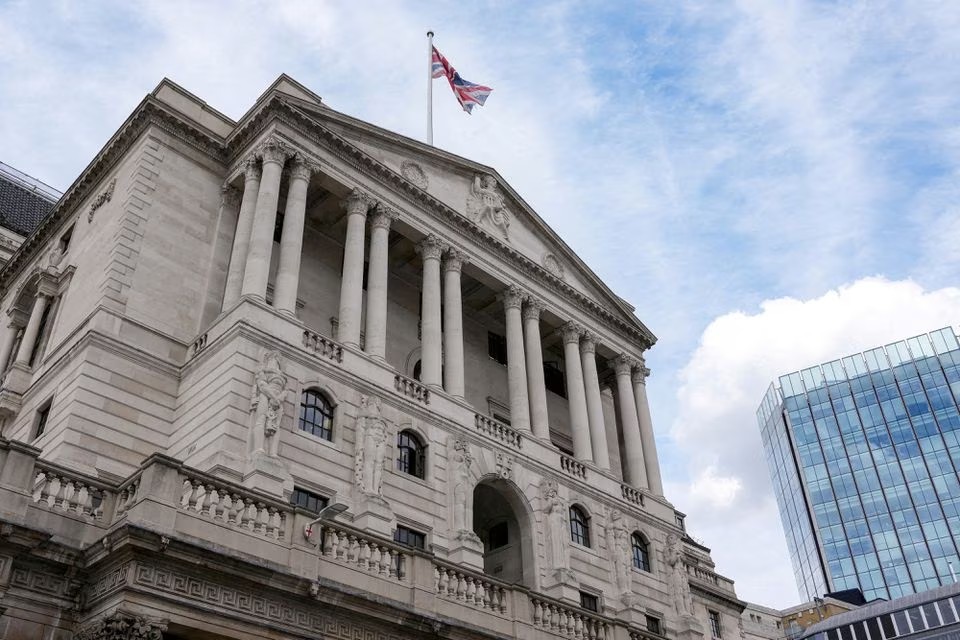
Bank of England Governor Andrew Bailey indicated that a slowdown in UK employment growth could prompt the central bank to cut interest rates in the near future. Meanwhile, European markets declined sharply following renewed tariff threats from former US President Donald Trump, intensifying fears of escalating trade tensions.
UK jobs slowdown may trigger easing
In comments delivered on Monday, Bailey highlighted that recent labour market data showed signs of cooling, with job creation slowing more than expected. While wage growth remains robust, the governor cautioned that persistent economic uncertainties could prompt a shift in monetary policy.
Bailey emphasised the Bank’s commitment to achieving its inflation target but acknowledged that if the slowdown in jobs growth continues, a reduction in borrowing costs might be necessary to support the economy. This marked a notable change in tone compared to recent hawkish rhetoric, signalling a more flexible approach depending on incoming data.

European stocks retreat amid trade concerns
European equities opened lower as investors digested Trump’s announcement of a potential 30% tariff on all European Union imports, including autos, effective from 1 August. The STOXX 600 index fell by 0.7%, with Germany’s DAX and France’s CAC 40 both declining over 0.6%, led by losses in the automotive and industrial sectors.
The tariff threat comes amid already fragile global trade conditions and has sparked immediate calls from EU leaders for a united and firm response. Markets remain wary that prolonged trade disputes could dampen economic growth across the continent.
Broader implications and market outlook
Bailey’s comments add to an increasingly mixed economic outlook, with inflation pressures showing signs of moderation but external risks, notably trade tensions, rising. Investors will be closely watching upcoming inflation data and corporate earnings for further clues on the central bank’s policy trajectory.
European markets are likely to remain volatile in the near term, influenced heavily by political developments and data releases. The interplay between monetary policy shifts and trade dynamics will be key to market direction as the summer trading season unfolds.
REFH – Newshub, 14 July 2025
Recent Comments