
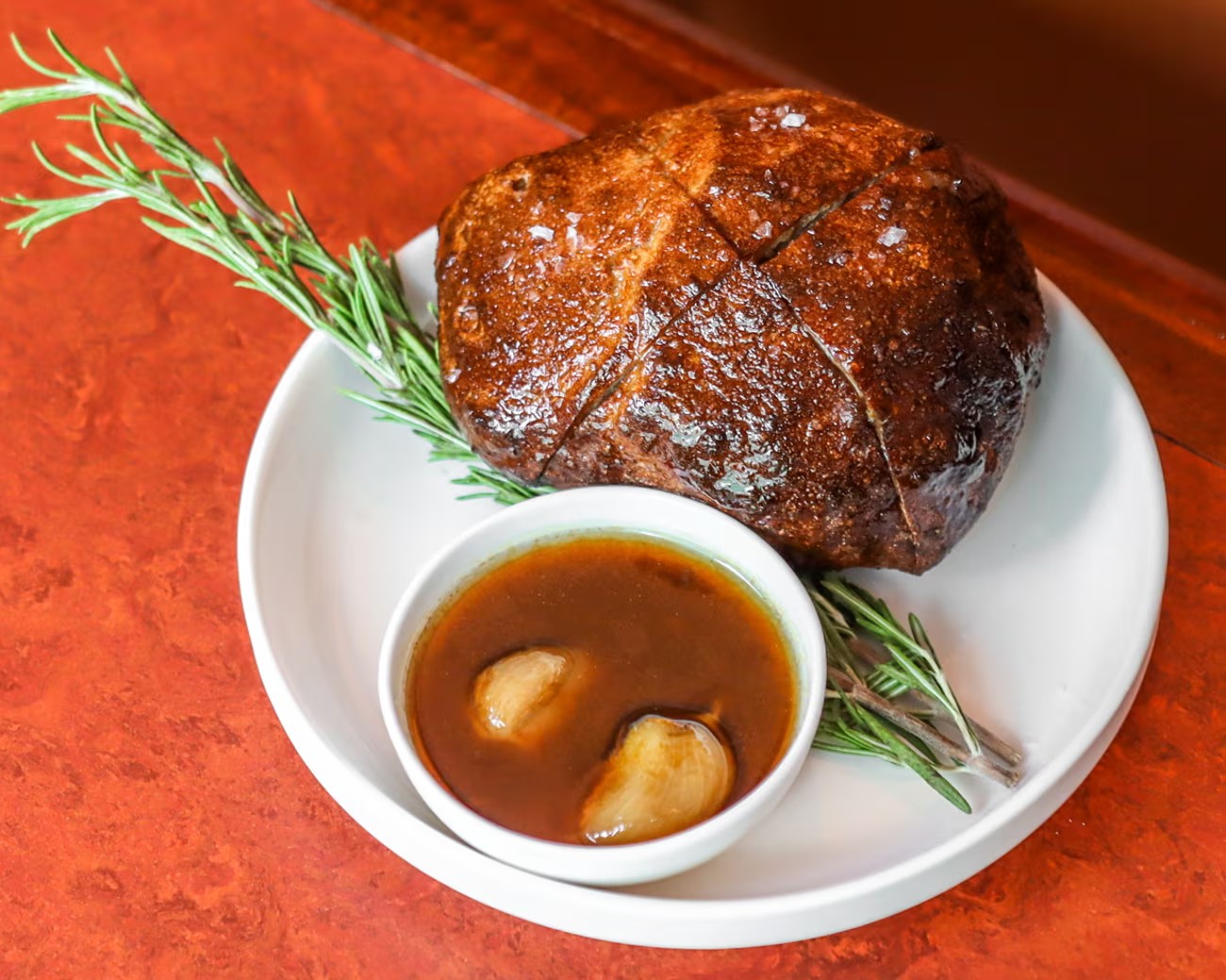
Long mocked, misunderstood, or blandly replaced by its Continental cousins, British gravy is finally enjoying a moment of cultural vindication. Once dismissed as a humble kitchen afterthought, it is now being celebrated as a rich, complex, and deeply comforting culinary staple – a symbol of Britain’s unpretentious brilliance at the dinner table.
From Sunday roasts to chip shop counters, gravy has always held a place in the British heart. But for decades, it has struggled to earn global recognition. Chefs on the Continent often favoured the refinement of ‘jus’, or the visual polish of glazes and reductions. Gravy, by comparison, was seen as too working-class, too messy, or simply too British.
That’s now changing. A new wave of British chefs, food writers, and cultural figures is proudly reclaiming gravy’s status, not as a punchline, but as a gift to world cuisine. Social media is awash with odes to Yorkshire puddings afloat in meaty rivers, while pubs and gastropubs alike are innovating with regional gravies: lamb and mint, venison with port, even vegan onion-thyme variations.

At the heart of the shift is a broader movement in British food culture—one that no longer feels obliged to imitate foreign traditions to prove its worth. Where British cuisine once sought validation through French techniques or Italian flair, it now embraces its own heritage with confidence. Gravy, long relegated to a culinary background role, is leading the charge in this rediscovery.
The phrase now spreading—“It is not jus. It is not a glaze. It is gravy!”—has taken on a mantra-like quality in foodie circles. It speaks to more than just a sauce. It is a declaration that flavour, warmth, and soul matter as much as finesse. Gravy, after all, is rooted in practicality: using the pan drippings, flour, and stock to create something greater than the sum of its parts. It is food democracy in liquid form.
Across Britain, restaurants are showcasing gravy not just with roast dinners, but as a centrepiece. A Manchester eatery recently launched a “Gravy Flight,” allowing diners to taste five different varieties paired with matching breads and meats. In London, a Michelin-starred chef served up ox cheek with an 18-hour bone marrow gravy that earned critical acclaim.
There’s even talk of Britain exporting its gravy culture abroad. Supermarkets in the U.S. and Australia have reported rising sales of British-style gravy granules and stocks, as immigrant communities and curious locals seek out the authentic taste of British comfort food.
At its best, gravy is more than food—it is theatre, history, and ritual. The anticipation as it’s poured. The way it mingles with potatoes. The satisfaction of a plate well-finished. It doesn’t ask for praise, but it’s finally getting it.
So the next time someone offers a ‘jus’, pause—and ask if they’ve truly tasted gravy.
REFH – newshub finance
Recent Comments