
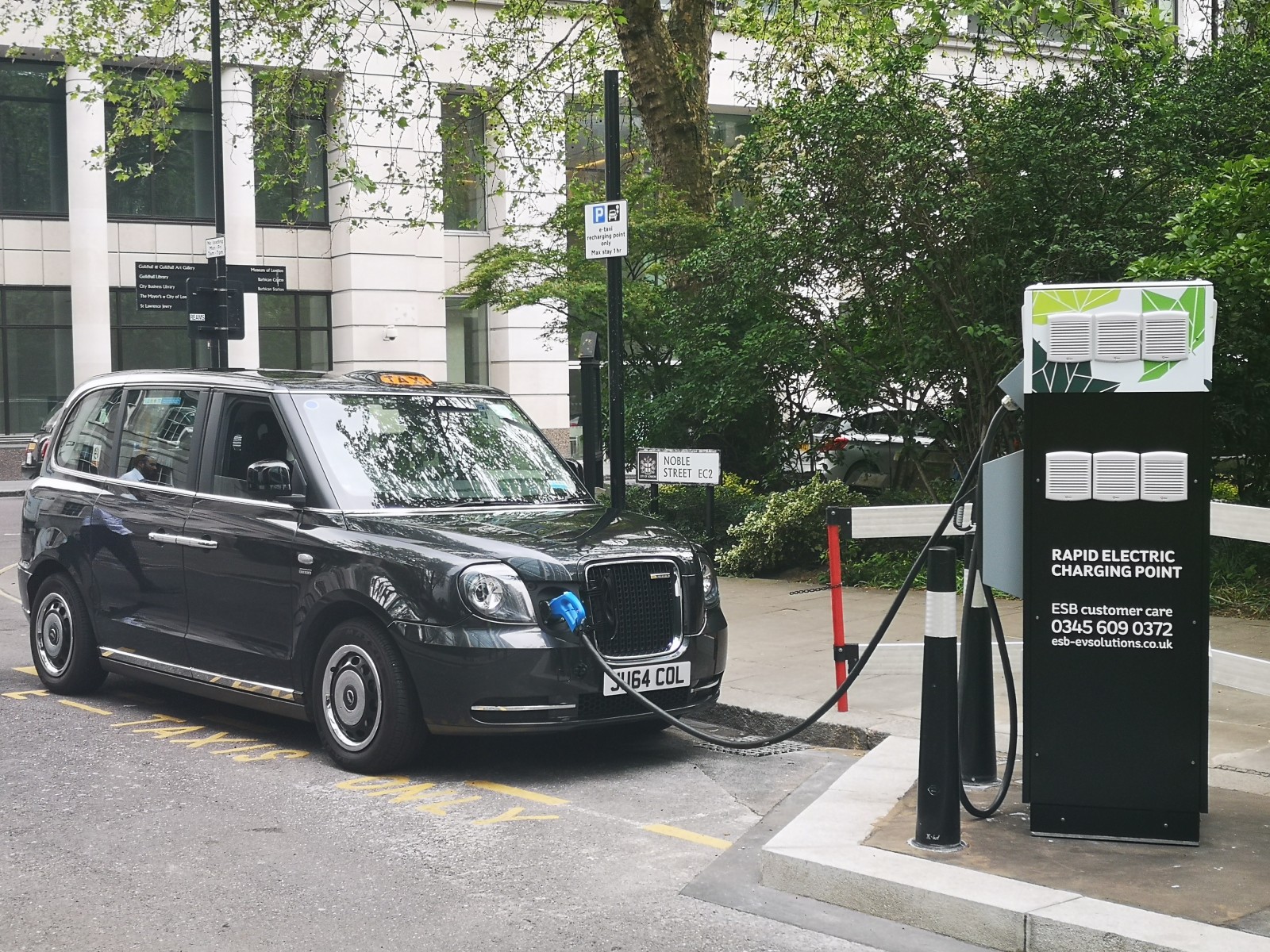
Sales of electric vehicles in the United Kingdom jumped by over 30% in the first six months of 2025, marking a sharp rebound in demand after a sluggish 2024 and offering a timely boost to the country’s green transition agenda.
New data released by the Society of Motor Manufacturers and Traders (SMMT) shows battery electric vehicle (BEV) registrations reached 217,000 between January and June, up from 164,000 in the same period last year. The surge comes amid stronger consumer confidence, a wider model range, and intensifying competition among manufacturers.
The figures mean BEVs now account for more than 21% of all new car registrations in the UK, consolidating their position as the fastest-growing segment of the market. Plug-in hybrids and conventional hybrids also saw moderate growth, but diesel vehicle sales continued to shrink, falling by nearly 18%.

Industry leaders have welcomed the numbers as a sign that the electric transition is gathering pace, though they continue to warn that infrastructure gaps and affordability barriers remain pressing challenges. Mike Hawes, chief executive of the SMMT, said the growth was “an encouraging step forward,” but stressed the need for “accelerated public charging deployment and clarity on long-term incentives.”
Tesla, BMW, and Hyundai remained the dominant players in the BEV segment, but Chinese brands such as BYD and Nio made significant gains, particularly in the family SUV category. Analysts noted that price competition has intensified, with several automakers introducing lower-cost models to attract first-time electric buyers.
Government policy has played a mixed role in the uptick. While the end of the plug-in car grant scheme in 2023 was widely criticised, recent adjustments to benefit-in-kind taxation and clean air zone policies have nudged more fleet operators towards electric. However, critics argue the UK still lags behind European neighbours in terms of charging infrastructure per capita, especially outside major cities.
The rise in sales comes as the UK prepares to implement a zero-emissions vehicle (ZEV) mandate, which will require carmakers to meet strict quotas for electric models or face penalties. Set to ramp up through the decade, the policy is expected to reshape the vehicle supply landscape and drive more aggressive EV marketing strategies.
The environmental impact of the surge is notable, with the SMMT estimating that the shift to electric cars in the first half of 2025 alone has already displaced over 500,000 tonnes of CO₂ emissions compared with a petrol or diesel equivalent. However, campaigners caution that more needs to be done to decarbonise the entire transport sector, including logistics and aviation.
Looking ahead, forecasters suggest that total BEV sales in the UK could exceed 450,000 units by year-end if the current pace continues, potentially making 2025 the country’s strongest year yet for electric adoption. Much will depend on economic conditions, interest rates, and energy costs, which remain volatile in the wake of geopolitical tensions and shifting global demand.
REFH – newshub finance
Recent Comments