
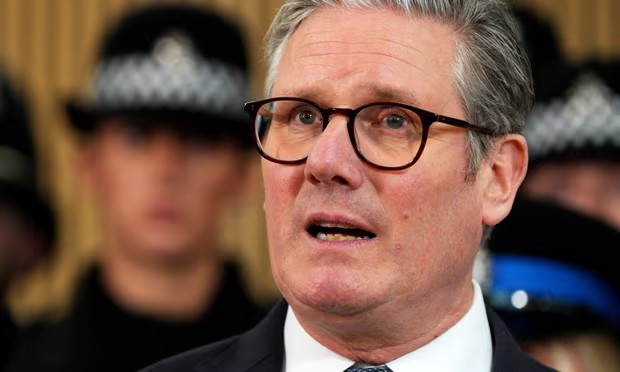
Keir Starmer has been forced into a dramatic climbdown to secure the passage of Labour’s flagship welfare reform bill, following a growing rebellion from the party’s left and mounting criticism over plans seen as punitive towards the unemployed.
The Labour leader, who had hoped to push through legislation tightening work requirements for benefits claimants within the first 100 days of government, faced an unexpected backlash from backbenchers and trade union allies. The bill, which aimed to introduce stricter sanctions for long-term jobseekers and expand mandatory work placements, was branded by critics as “Tory-lite” and “morally indefensible”.
Faced with the prospect of defeat in committee stage and growing unrest within the parliamentary party, Starmer convened an emergency meeting with key union leaders and shadow cabinet members on Monday evening. The result was a significant watering down of the original proposals, including the scrapping of mandatory placements for those deemed “hard to employ” and a pledge to commission a review into the fairness of current sanctions policy.

The climbdown is being seen as a major test of Starmer’s leadership style—one that prizes discipline and pragmatism over ideological purity. While Downing Street maintained that the core aims of the bill remain intact, insiders admitted the government had “listened carefully” to concerns from within the party and among voters who had expected a more progressive stance on poverty.
For many on the Labour left, however, the episode exposed deeper unease about the direction of the party. Several MPs from the Socialist Campaign Group abstained or threatened open opposition, while Unite and UNISON warned that further drift to the centre could erode Labour’s mandate. One former shadow minister called the bill “a betrayal of the people we said we’d fight for”.
Despite the U-turn, the revised legislation passed its second reading late on Tuesday, but not without cost. Starmer has taken a visible hit among grassroots members and may now face ongoing pressure to soften the government’s approach on welfare, housing, and workers’ rights.
Observers say this is unlikely to be the last flashpoint between Starmer’s leadership and his party’s left flank. With Labour now in government after more than a decade in opposition, managing internal tensions while delivering on electoral promises will prove an early and difficult balancing act.
REFH – newshub finance
Recent Comments