
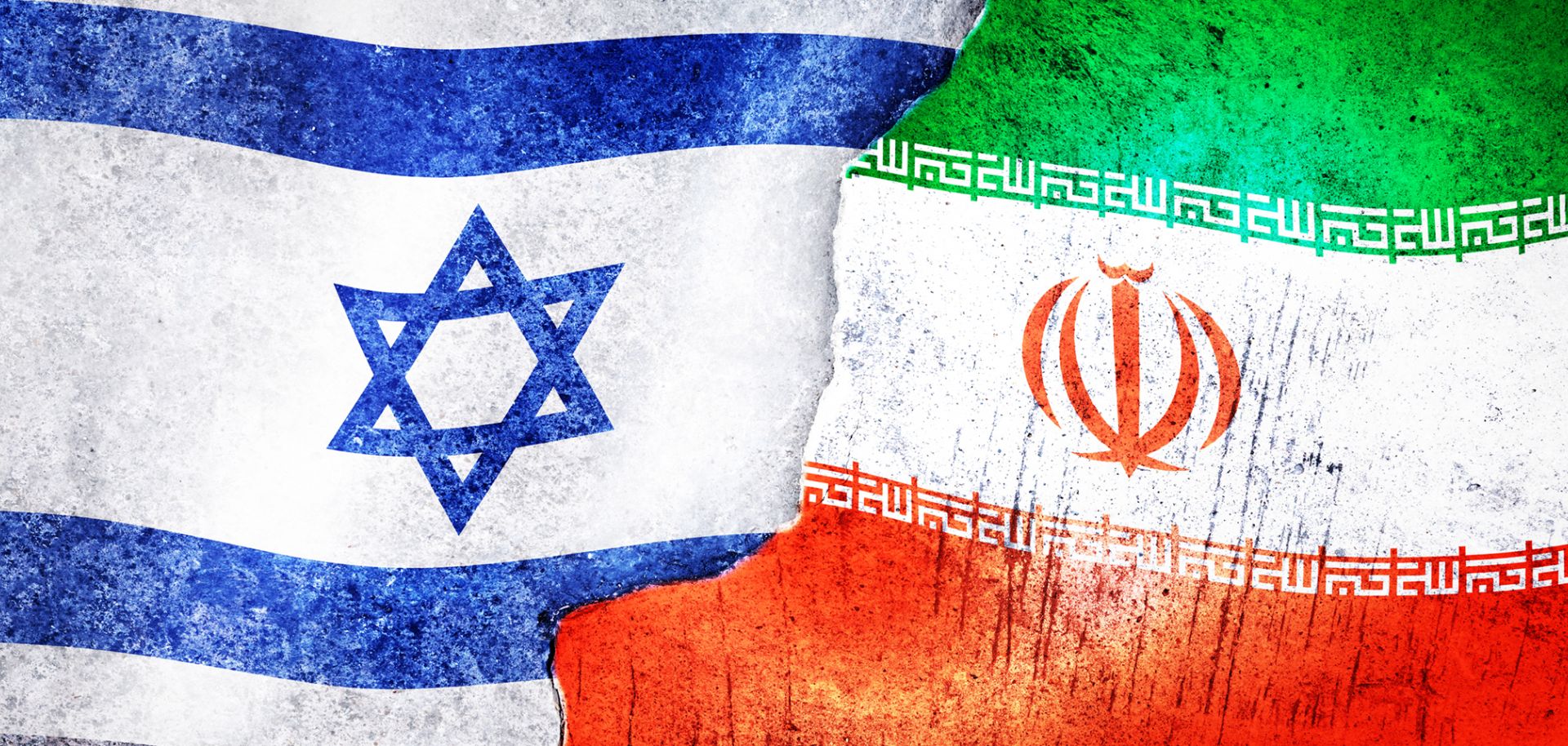
The escalating confrontation between Israel and Iran has reignited fears of a wider regional war in the Middle East, casting a long shadow over global markets already straining under the weight of inflation, high interest rates, and geopolitical uncertainty. As tensions rise, investors and governments alike are bracing for economic disruption that could ripple far beyond the immediate region.
At the heart of concern is the Strait of Hormuz, a strategic maritime chokepoint through which nearly 20% of the world’s oil supply passes. If Iran were to obstruct or threaten passage through this vital artery—as it has previously threatened during periods of heightened tension—it could cause a sharp spike in global oil prices. Already, Brent crude has hovered above $90 per barrel on speculation of supply disruptions, with some analysts forecasting a potential surge past $110 if hostilities escalate further.
Oil price volatility doesn’t just hit energy importers. It affects everything from transportation to agriculture, increasing input costs across sectors. Countries dependent on energy imports—such as India, Japan, and many European nations—would face the twin blows of higher inflation and weaker currencies. Central banks, particularly the US Federal Reserve and the European Central Bank, may be forced to hold or even raise interest rates longer than anticipated, delaying hoped-for rate cuts and dampening consumer demand.

Global equities have responded nervously to each flare-up. Safe-haven assets such as gold, the US dollar, and Treasury bonds have seen renewed interest. The price of gold recently pushed beyond $2,400 per ounce, an all-time high, as investors sought shelter. Simultaneously, emerging markets have suffered capital outflows amid a retreat to perceived safer jurisdictions, adding pressure to developing economies already strained by debt and slowing growth.
The regional impact is even more severe. Both Israel and Iran are key players in regional trade and logistics networks. Israeli tech firms, already under stress from political divisions and judicial reforms, face a further loss of investor confidence. Iran, meanwhile, remains under Western sanctions, but any open conflict could prompt even stricter global measures, tightening the screws on its fragile economy and spilling over into neighbouring states.
Supply chains could also be severely affected. The Middle East is not just a source of energy; it is also a crucial route for shipping and air freight. Any closure of airspace or escalation of hostilities could delay goods, increase shipping insurance premiums, and prompt rerouting of global trade—further feeding the inflationary cycle.
US involvement looms large over the economic implications. Should Washington be drawn further into the conflict—whether diplomatically, militarily, or through new sanctions—markets will likely react with more volatility. American defence contractors may see short-term gains, but broader business sentiment would likely turn cautious, potentially weighing on corporate investment and hiring plans.
China and Russia, key geopolitical players with interests in the Middle East, could also shift their strategic posture in response, risking a further fracturing of global trade alignments. Any perception of a wider East-West polarisation could damage multilateral cooperation on global economic issues, from climate financing to debt relief.
While energy exporters such as Saudi Arabia and the UAE might see a temporary windfall from higher oil prices, they too are vulnerable. A prolonged conflict could destabilise the region, disrupt internal reforms, and deter foreign investment, particularly in non-oil sectors.
The humanitarian cost of conflict will also have economic echoes. Mass displacement, reconstruction needs, and international aid efforts could strain budgets and divert resources from development. For the global economy—already navigating multiple shocks—the Israel-Iran conflict represents not just a geopolitical flashpoint but a material risk to stability and growth.
As the situation evolves, markets will respond not only to missiles and manoeuvres but to every statement and signal from Washington, Tehran, and Tel Aviv. In a world already stretched thin by war in Ukraine, China-US rivalry, and climate shocks, the threat of another protracted conflict in the Middle East may be the tipping point into a new era of economic fragmentation and volatility.
newshub finance
Recent Comments