
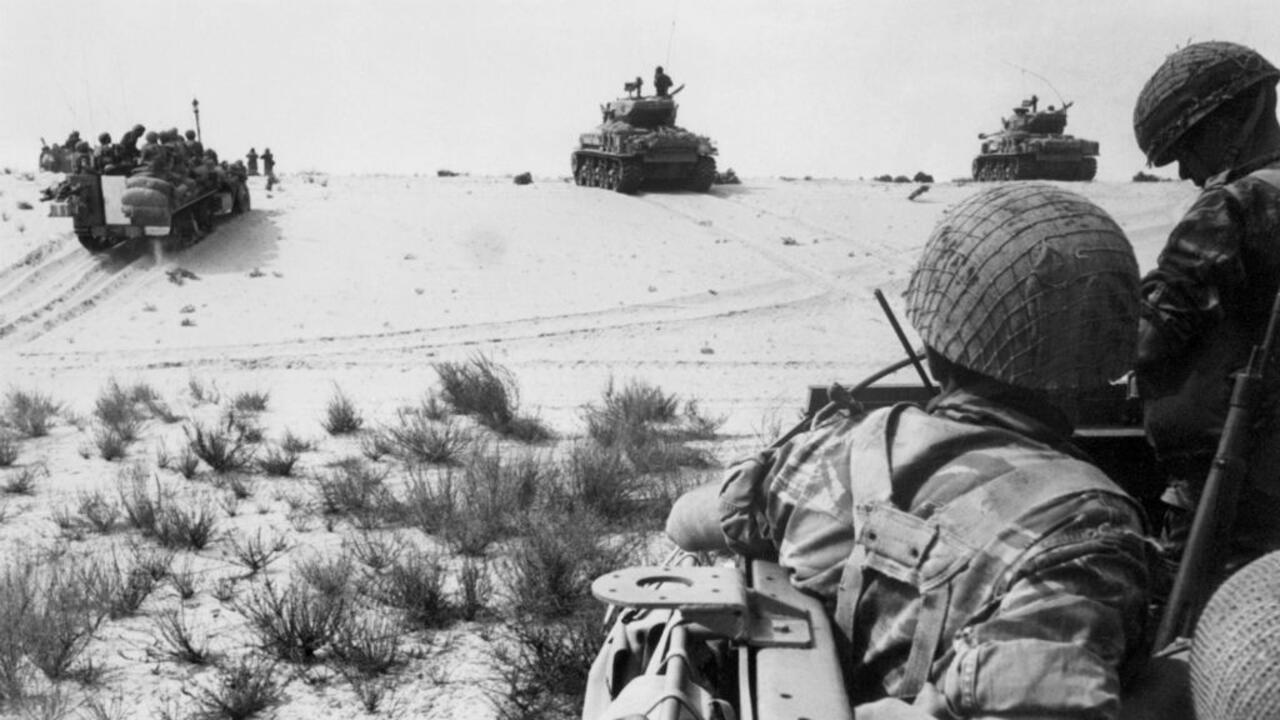
In June 1967, the world watched as the Middle East erupted into a brief but transformative conflict known as the Six-Day War. On 7 June, a pivotal moment unfolded when Israeli soldiers entered Jerusalem, reclaiming parts of the city and reshaping the region’s geopolitical landscape. This event, steeped in historical and cultural significance, marked a turning point in the Arab-Israeli conflict and left a lasting legacy.
The Six-Day War began on 5 June 1967, triggered by escalating tensions between Israel and its Arab neighbours—Egypt, Jordan, and Syria. Israel, facing threats of invasion and a blockade of its southern port, launched a pre-emptive strike against Egyptian airfields. The conflict quickly spread, with Jordan entering the fray by shelling Israeli positions. Jerusalem, divided since the 1948 Arab-Israeli War, became a focal point of the fighting. The Old City, containing sacred sites like the Western Wall, was under Jordanian control, a source of deep yearning for Israelis.
By 7 June, Israeli forces had gained significant ground. The Israel Defence Forces (IDF), under the command of figures like General Uzi Narkiss, pushed into East Jerusalem. Paratroopers advanced through the narrow streets, facing fierce resistance from Jordanian troops. The battle for the Old City was intense but swift. Israeli soldiers captured key positions, including the Lion’s Gate, and by mid-morning, they reached the Western Wall, a site of profound religious importance for Jews. The iconic image of soldiers praying at the Wall, some weeping with emotion, became a symbol of victory and reconnection with their heritage.

The capture of Jerusalem was not merely a military triumph; it carried immense symbolic weight. For Israel, regaining control of the Old City and its holy sites fulfilled a national and spiritual aspiration. The unification of Jerusalem under Israeli control was celebrated as a historic restoration, though it also sparked controversy. For Palestinians and the broader Arab world, the loss of East Jerusalem was a devastating blow, deepening the sense of displacement and fuelling future conflicts.
The Six-Day War, and the entry into Jerusalem in particular, had far-reaching consequences. Israel’s rapid victory expanded its territory, including the West Bank, Gaza Strip, Sinai Peninsula, and Golan Heights. Jerusalem’s status became a contentious issue in peace negotiations, with Palestinians viewing East Jerusalem as the capital of a future state. The war reshaped alliances, emboldened Israel’s regional standing, and set the stage for decades of diplomatic efforts and unrest.
The events of 7 June 1967 remain etched in history. For Israelis, the moment represented a reclaiming of their ancient capital; for Palestinians, it marked a profound loss. The image of Israeli soldiers standing at the Western Wall continues to evoke powerful emotions, encapsulating the complexity of a conflict where triumph and tragedy are deeply intertwined. The Six-Day War, though brief, left an indelible mark on the Middle East, with Jerusalem’s fate at its heart.
newshub finance
Recent Comments