
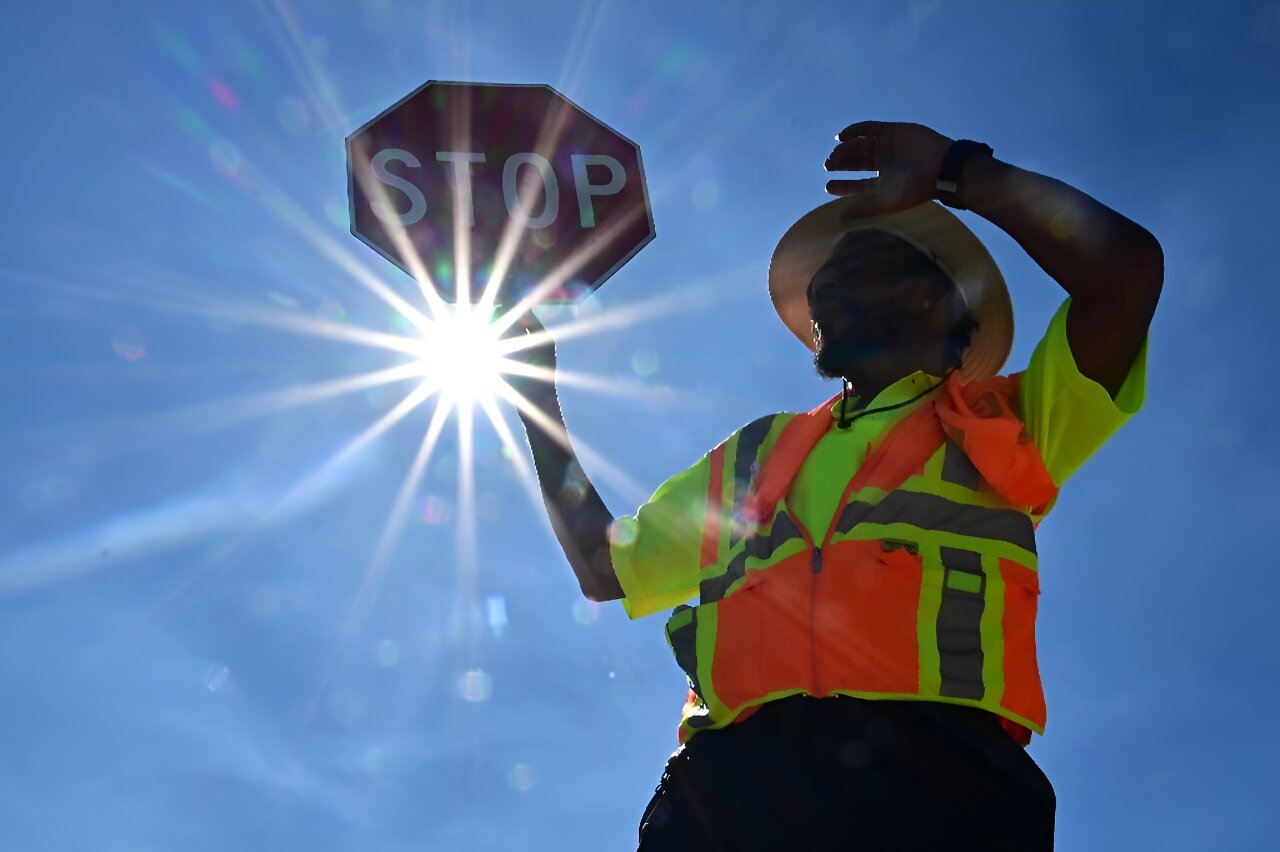
Dubai has recorded one of its highest-ever temperatures, with the mercury climbing above 51°C in May — an unprecedented figure for this time of year. What was once an extreme outlier is becoming the new normal, raising serious questions about long-term sustainability in one of the world’s most iconic desert metropolises.
The blistering heat swept across the United Arab Emirates in mid-May, pushing temperatures well beyond seasonal averages. With humidity along the coast reaching over 60%, the real-feel temperature became nearly unbearable during peak daylight hours. In parts of Dubai, conditions were comparable to the hottest periods of July and August, months ahead of schedule.
Authorities issued public health warnings, urging residents and tourists to remain indoors during the afternoon. Outdoor work was heavily restricted, with companies encouraged to shift schedules to early mornings or after sunset. Construction sites, landscaping crews and delivery services were among the sectors most disrupted. Heatstroke alerts have been activated, especially targeting the elderly and those with existing health conditions.
The extreme heat has also placed strain on Dubai’s power infrastructure. Demand for electricity — largely driven by widespread air conditioning use — has surged to record highs. Energy providers are accelerating plans to expand grid capacity, with increased focus on solar power and smart grid technologies. Ironically, the very sun fuelling the crisis is now essential to the city’s adaptation strategy.
Climate scientists directly link the heatwave to accelerating global warming. The Arabian Peninsula is among the regions warming fastest. According to research from the Max Planck Institute for Chemistry, parts of the Gulf could become uninhabitable during summer months by the end of the century if emissions are not curbed significantly.
Everyday life in Dubai is beginning to reflect this new reality. Residents are adjusting routines — shifting workouts indoors, replacing commutes with virtual meetings, and investing in smart home systems that optimise energy use. Real estate developers are rethinking building designs, incorporating heat-reflective materials and passive cooling techniques.
The implications go far beyond temporary discomfort. Dubai’s model of modernity and growth is being tested by a climate that is becoming increasingly hostile. As the city contends with hotter, longer summers, the question is no longer whether it can endure the next heatwave — but how often it will arrive, and at what cost.
Recent Comments