
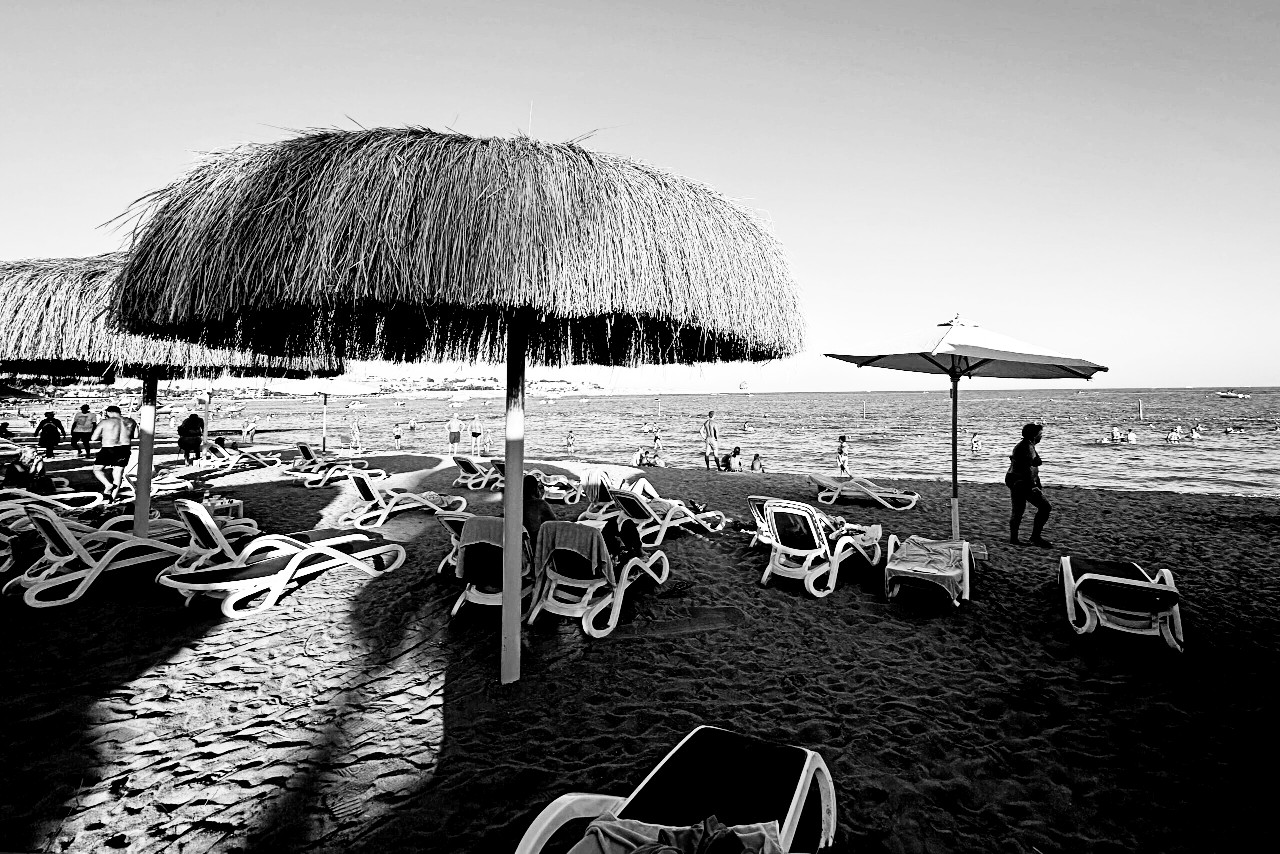
Egypt’s tourism industry is facing renewed uncertainty as escalating tensions across the Middle East threaten one of the country’s most important economic sectors, despite recent years of strong recovery and growth along the Red Sea coast.
Resorts in destinations such as Hurghada, Sharm el-Sheikh and Marsa Alam have experienced solid visitor numbers since the global tourism rebound following the pandemic years. European charter traffic returned strongly, Gulf visitors increased spending, and Egypt successfully positioned itself as a relatively affordable warm-weather destination compared with several Mediterranean competitors.
However, the expanding geopolitical instability across the wider Middle East is once again raising concerns over booking patterns, investor confidence and long-term sector resilience.

Red Sea tourism remains strategically important
Tourism is one of Egypt’s largest sources of foreign currency income and employment. The Red Sea region has become especially important due to its combination of beach tourism, diving infrastructure and relatively modern resort development.
International operators have invested heavily in large hotel complexes, marina developments and transport links connecting the coastal regions with Europe and the Gulf states. Direct flight connections from Germany, the United Kingdom, Italy and Eastern Europe have played a major role in the sector’s recent recovery.
Industry analysts note that many Red Sea resorts have performed well even during periods of broader regional instability, partly because the resort areas themselves are geographically distant from active conflict zones.
Nevertheless, perception often matters more than geography in global tourism markets.
Conflict fears affect traveller behaviour
Travel agencies and hotel operators are increasingly monitoring customer sentiment as regional headlines intensify. Even when Egypt itself remains stable, broader Middle Eastern conflicts can influence international travellers’ willingness to book holidays in nearby destinations.
Insurance premiums, airline route planning and tour operator risk assessments may all be affected by prolonged geopolitical uncertainty.
Several industry observers warn that Egypt’s tourism sector remains vulnerable because of its dependence on large international operators and concentrated resort destinations. A sudden decline in European package tourism could quickly affect employment and foreign currency revenues.
At the same time, some travellers may choose alternative destinations perceived as politically safer, even if actual risks in Egyptian resort areas remain limited.
Smaller operators seek broader opportunities
The current situation is also renewing discussions about how Egypt can diversify its tourism model and create stronger opportunities for smaller local businesses.
While large resort chains dominate much of the Red Sea coastline, smaller operators in eco-tourism, cultural tourism, desert experiences and local hospitality services often struggle to access financing, international marketing channels and infrastructure support.
Economic experts argue that expanding locally driven tourism could improve resilience by spreading revenue across more communities and reducing dependence on large-scale international package tourism.
There is also growing interest in promoting domestic tourism and regional visitors from Africa and the Gulf, rather than relying primarily on European seasonal demand.
Economic pressure on Cairo
The tourism uncertainty arrives at a difficult moment for Egypt’s broader economy. The country continues to face inflationary pressure, currency weakness and rising import costs, while the Suez Canal has also experienced disruption linked to regional shipping tensions.
Tourism revenues therefore remain critically important for stabilising foreign exchange inflows and supporting employment.
Egyptian authorities have repeatedly emphasised that the country remains open, secure and committed to protecting tourists and tourism infrastructure. Security around key resort areas and airports remains extensive.
Still, the latest regional tensions underline how exposed tourism-dependent economies remain to geopolitical developments far beyond their borders.
Balancing resilience and vulnerability
For Egypt, the challenge now is not only preserving tourist confidence in the short term, but also building a more diversified and sustainable tourism economy capable of withstanding future geopolitical shocks.
The Red Sea resorts may continue attracting visitors, but the broader lesson from repeated regional crises is becoming increasingly clear: long-term resilience will likely require broader participation, stronger local entrepreneurship and reduced dependence on external tourism cycles.
Newshub Editorial in Africa – May 5, 2026

If you have an account with ChatGPT you get deeper explanations,
background and context related to what you are reading.
Open an account:
Open an account
Recent Comments