
• Global
    • Africa
      • Burundi
      • Ghana
      • Gambia
      • Senegal
    • Asia
      • Indonesia
      • Laos
      • Malaysia
      • South Korea
    • Caribbean
      • Central America
    • Climate & energy
      • Climate
      • Carbon
      • Coal
      • Disruptive
      • Gas
      • Nuclear
      • Oil
      • Solar
      • Water
      • Waves
      • Wind
      • Renewable
      • South America
    • Lifestyle
      • Best chefs
      • Cocktail of the week
      • History
      • Influential women
      • Newshub long-read
    • US politics
      • Epstein
    • War
  • Finance
    • Africa finance
    • Australia
    • Asia finance
    • Banking
    • Business of the week
    • Central Banks
    • China
    • Commodities
    • Corporate
    • Europe
    • Investment
    • Japan
    • MSTRpay
    • Neobanking
    • South East Asia
    • UK
    • US
  • Fintech
    • Tech
    • AI
    • Blockchain
  • Press releases
  • NF GPT
Thursday, April 9, 2026
  • Login
No Result
View All Result
Newshub Finance
  • Global
    • Africa
      • Burundi
      • Ghana
      • Gambia
      • Senegal
    • Asia
      • Indonesia
      • Laos
      • Malaysia
      • South Korea
    • Caribbean
      • Central America
    • Climate & energy
      • Climate
      • Carbon
      • Coal
      • Disruptive
      • Gas
      • Nuclear
      • Oil
      • Solar
      • Water
      • Waves
      • Wind
      • Renewable
      • South America
    • Lifestyle
      • Best chefs
      • Cocktail of the week
      • History
      • Influential women
      • Newshub long-read
    • US politics
      • Epstein
    • War
  • Finance
    • Africa finance
    • Australia
    • Asia finance
    • Banking
    • Business of the week
    • Central Banks
    • China
    • Commodities
    • Corporate
    • Europe
    • Investment
    • Japan
    • MSTRpay
    • Neobanking
    • South East Asia
    • UK
    • US
  • Fintech
    • Tech
    • AI
    • Blockchain
  • Press releases
  • NF GPT
  • Global
    • Africa
      • Burundi
      • Ghana
      • Gambia
      • Senegal
    • Asia
      • Indonesia
      • Laos
      • Malaysia
      • South Korea
    • Caribbean
      • Central America
    • Climate & energy
      • Climate
      • Carbon
      • Coal
      • Disruptive
      • Gas
      • Nuclear
      • Oil
      • Solar
      • Water
      • Waves
      • Wind
      • Renewable
      • South America
    • Lifestyle
      • Best chefs
      • Cocktail of the week
      • History
      • Influential women
      • Newshub long-read
    • US politics
      • Epstein
    • War
  • Finance
    • Africa finance
    • Australia
    • Asia finance
    • Banking
    • Business of the week
    • Central Banks
    • China
    • Commodities
    • Corporate
    • Europe
    • Investment
    • Japan
    • MSTRpay
    • Neobanking
    • South East Asia
    • UK
    • US
  • Fintech
    • Tech
    • AI
    • Blockchain
  • Press releases
  • NF GPT
No Result
View All Result
Newshub Finance
No Result
View All Result
Download MSTRpay app Download MSTRpay app Download MSTRpay app
ADVERTISEMENT

On this day in 2003: Bagdad fell to US-led forces

On this day in 2003: Bagdad fell to US-led forces

On this day in 2003, Baghdad fell to U.S.-led coalition forces, marking the symbolic collapse of Iraq’s central government during the opening phase of the Iraq War. The event, widely broadcast across the world, became one of the most defining images of early 21st-century geopolitics.

A rapid military advance reaches its climax
The fall of Baghdad followed a swift military campaign launched on 20 March 2003 by a coalition led by the United States and the United Kingdom. Within three weeks, coalition forces advanced from Kuwait into Iraq, encountering varying degrees of resistance but maintaining operational momentum. By early April, armoured divisions had entered the outskirts of Baghdad, initiating intense urban combat.

The city’s fall was not marked by a formal surrender but rather by the rapid disintegration of organised resistance. Iraqi command structures collapsed, and government buildings were abandoned. The regime of Saddam Hussein, which had ruled Iraq for decades, effectively ceased to function as a governing authority in the capital.

Download the MSTRpay app Download the MSTRpay app Download the MSTRpay app

The image that defined a war
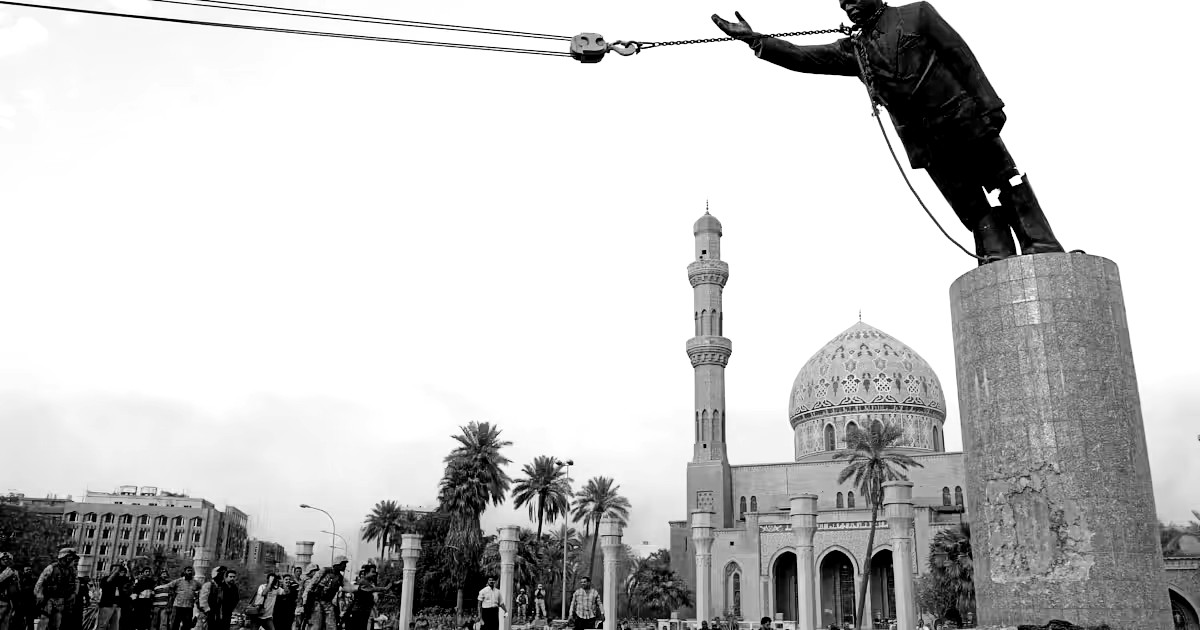
One of the most enduring moments of the day occurred in Firdos Square, where a statue of Saddam Hussein was pulled down with the assistance of U.S. forces. The scene was broadcast globally and came to symbolise the perceived end of the regime. However, interpretations of the moment varied widely, with some viewing it as liberation and others as a staged or limited representation of broader public sentiment.

Despite the symbolic victory, the situation on the ground remained unstable. Looting spread across the city almost immediately, targeting ministries, museums and infrastructure. The absence of a functioning security apparatus exposed deep structural vulnerabilities in post-conflict planning.

From regime change to prolonged conflict
While the fall of Baghdad marked a decisive military milestone, it did not signal the end of conflict. Instead, it ushered in a prolonged and complex phase of insurgency, sectarian violence and political instability. Coalition forces faced growing resistance from a range of groups, and the security environment deteriorated rapidly in the months that followed.

The dismantling of Iraqi state institutions, including the army, contributed to a power vacuum that proved difficult to manage. Efforts to establish a new political order were met with significant challenges, both internally and regionally.

Global implications and lasting legacy
The fall of Baghdad had far-reaching implications beyond Iraq. It reshaped alliances, influenced global energy markets and intensified debates around intervention, sovereignty and international law. The justification for the war, particularly regarding weapons of mass destruction, became a focal point of international scrutiny in subsequent years.

More than two decades later, the events of April 2003 continue to influence geopolitical dynamics in the Middle East and beyond. The fall of Baghdad remains a pivotal reference point in discussions about military intervention, state-building and the unintended consequences of regime change.

Newshub Editorial in Asia – April 9, 2026

Ask NF GPT

If you have an account with ChatGPT you get deeper explanations,
background and context related to what you are reading.

Open article chat

Open an account:

Open an account
  • Global
  • Finance
  • Fintech
  • Press releases
  • NF GPT
Legal - Disclosure - Cookies

© 2022-2026
MSTRpay/Newshub Finance

Welcome Back!

Login to your account below

Forgotten Password?

Retrieve your password

Please enter your username or email address to reset your password.

Log In

Add New Playlist

No Result
View All Result
  • Global
    • Africa
      • Burundi
      • Ghana
      • Gambia
      • Senegal
    • Asia
      • Indonesia
      • Laos
      • Malaysia
      • South Korea
    • Caribbean
      • Central America
    • Climate & energy
      • Climate
      • Carbon
      • Coal
      • Disruptive
      • Gas
      • Nuclear
      • Oil
      • Solar
      • Water
      • Waves
      • Wind
      • Renewable
      • South America
    • Lifestyle
      • Best chefs
      • Cocktail of the week
      • History
      • Influential women
      • Newshub long-read
    • US politics
      • Epstein
    • War
  • Finance
    • Africa finance
    • Australia
    • Asia finance
    • Banking
    • Business of the week
    • Central Banks
    • China
    • Commodities
    • Corporate
    • Europe
    • Investment
    • Japan
    • MSTRpay
    • Neobanking
    • South East Asia
    • UK
    • US
  • Fintech
    • Tech
    • AI
    • Blockchain
  • Press releases
  • NF GPT

© 2022-2026
MSTRpay/Newshub Finance