
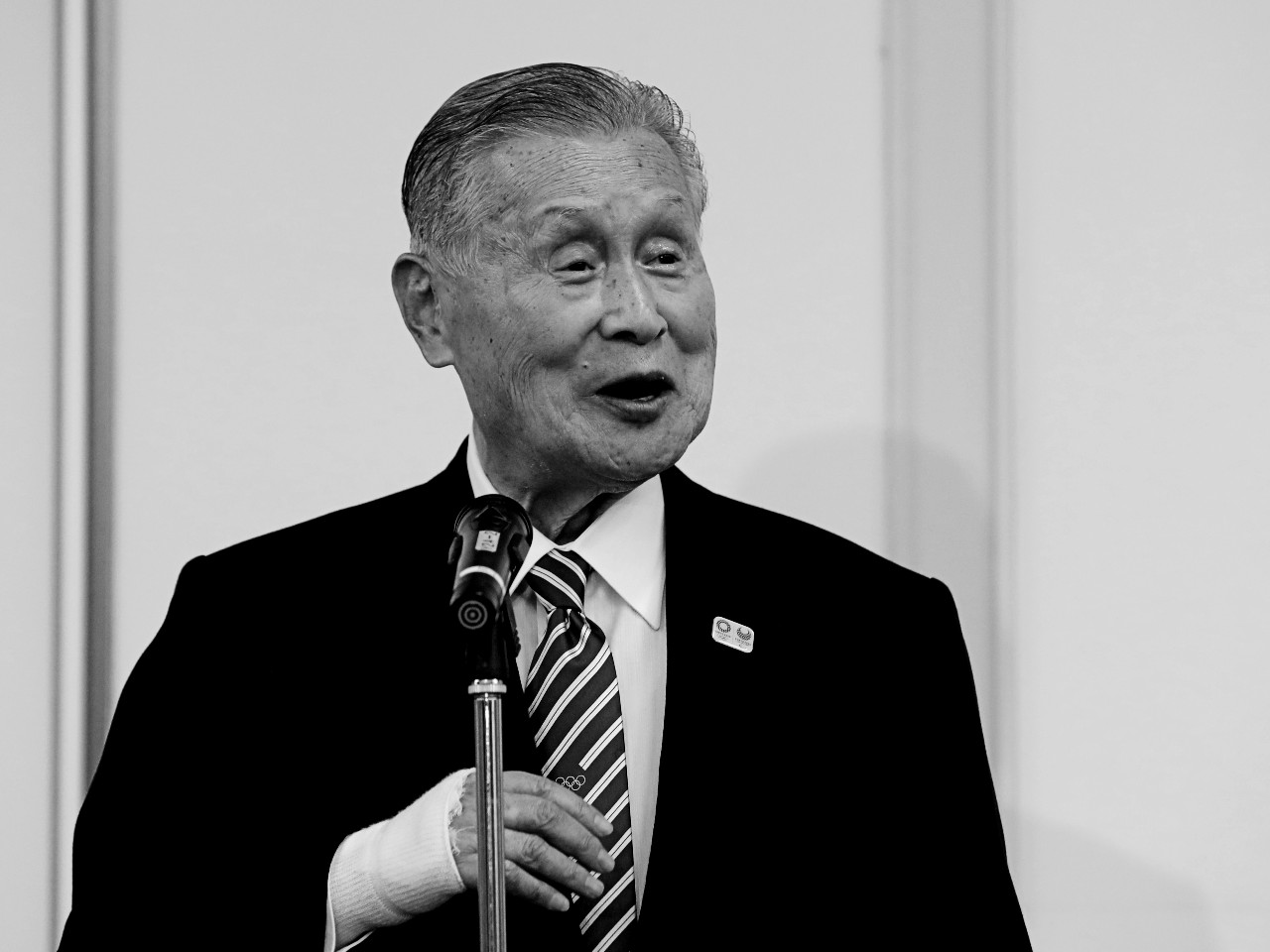
Yoshiro Mori, a senior figure within the Liberal Democratic Party, assumed office as Prime Minister of Japan in April 2000, marking a swift and strategic transition of power within the country’s long-dominant ruling party. His appointment followed the unexpected resignation of his predecessor, Keizō Obuchi, who suffered a severe stroke, leaving a sudden leadership vacuum at the highest level of government.
A rapid succession amid political uncertainty
Mori’s elevation to prime minister was not the result of a general election but rather an internal decision within the Liberal Democratic Party (LDP), reflecting Japan’s faction-driven political structure at the time. As a seasoned party operator and former secretary-general, Mori was viewed as a consensus candidate capable of maintaining stability during a period of uncertainty. The urgency of the transition underscored the LDP’s priority: continuity over disruption in governance.
Japan’s political system, dominated for decades by the LDP, has often relied on internal party mechanisms to determine leadership changes. Mori’s appointment exemplified this model, where factional balance and seniority played a decisive role. His close ties within key party factions enabled a relatively smooth consolidation of support, despite limited public enthusiasm.

Domestic challenges and economic pressures
Upon taking office, Mori inherited a fragile economic environment. Japan was still grappling with the long aftermath of the asset price bubble collapse of the early 1990s, characterised by sluggish growth, deflationary pressures, and a weakened banking sector. Policymakers faced mounting pressure to implement structural reforms while sustaining fiscal stimulus to support recovery.
Mori’s administration signalled a commitment to continuing the economic policies of his predecessor, focusing on stabilisation rather than radical reform. However, critics argued that this approach risked prolonging Japan’s economic stagnation by delaying necessary structural adjustments.
Foreign policy continuity and strategic positioning
On the international stage, Mori sought to reinforce Japan’s alliance with the United States while maintaining stable relations within Asia. His tenure coincided with evolving geopolitical dynamics, including China’s growing economic influence and ongoing security considerations on the Korean Peninsula.
Continuity in foreign policy was a central theme, as Japan aimed to preserve its role as a reliable partner in global economic and security frameworks. Mori’s diplomatic approach emphasised predictability and alignment with established strategic partners.
Public perception and leadership scrutiny
Despite securing the premiership, Mori’s leadership was met with scepticism among the Japanese public. His communication style and perceived lack of charisma contrasted with the demands of a country seeking renewed economic momentum and political clarity. Approval ratings declined rapidly during his tenure, highlighting a disconnect between party-driven leadership selection and public expectations.
This tension would ultimately define Mori’s time in office, as his administration struggled to build lasting political capital. His premiership underscored broader structural questions about governance in Japan, particularly the balance between internal party dynamics and democratic accountability.
A transitional figure in modern Japanese politics
Yoshiro Mori’s tenure as prime minister is widely viewed as a transitional period in Japan’s political landscape. While his leadership ensured short-term stability, it also exposed underlying challenges within the LDP’s governance model and Japan’s broader political system.
His time in office set the stage for subsequent reforms and leadership shifts, reflecting a country navigating the complexities of economic recovery and political evolution at the turn of the 21st century.
Newshub Editorial in Asia – April 5, 2026

If you have an account with ChatGPT you get deeper explanations,
background and context related to what you are reading.
Open an account:
Open an account