

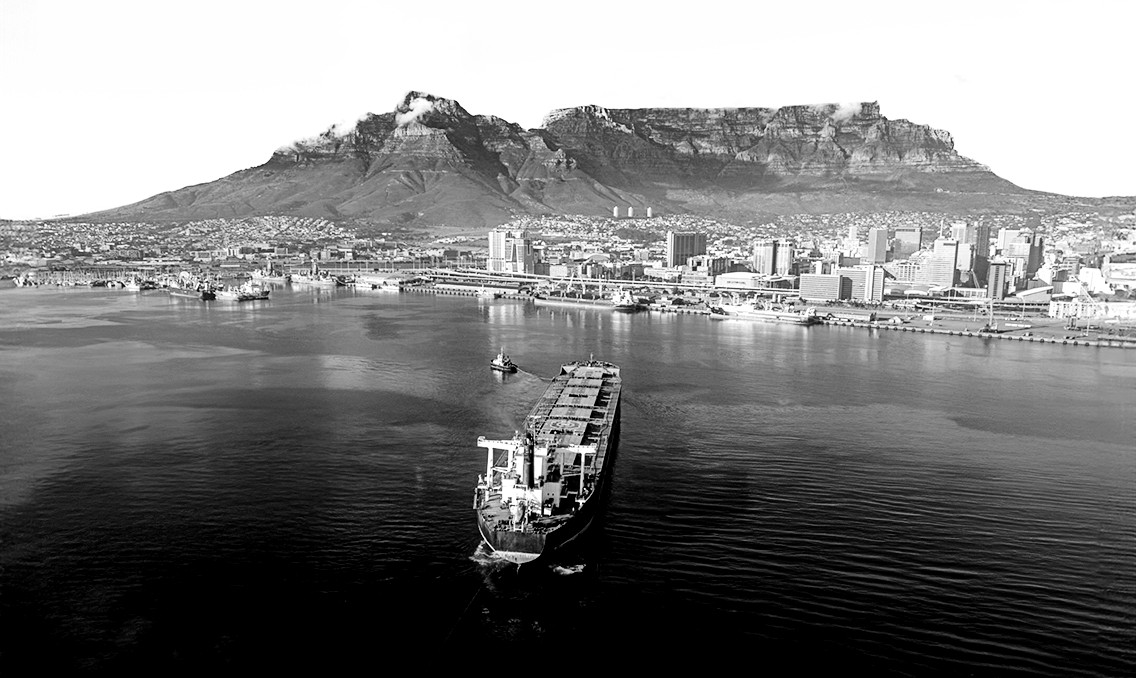
A coastal-first strategy could accelerate Africa’s economic transformation by building scalable trade and infrastructure networks. Drawing lessons from China’s development model, prioritising coastal regions may provide a pragmatic pathway to unlock broader inland growth across the continent.
China’s model: growth from the coast inward
China’s economic rise was not evenly distributed at the outset. Instead, the country focused heavily on developing coastal regions such as Shenzhen, Shanghai, and Guangzhou. These areas became hubs for manufacturing, trade, and foreign investment, benefiting from direct access to global shipping routes. Infrastructure, capital, and policy support were concentrated where returns could be realised quickly, creating dense economic clusters. Over time, this generated capital flows, expertise, and logistical networks that gradually extended inland.
Africa’s structural opportunity
Africa’s geography presents a comparable opportunity. Many of its largest cities—Lagos, Abidjan, Mombasa, Durban—are coastal and already serve as gateways for trade. However, infrastructure gaps, fragmented logistics, and regulatory inconsistencies limit their full potential. By concentrating investment in these coastal nodes, African economies could strengthen export capacity, reduce trade costs, and attract manufacturing and service industries that rely on efficient global connectivity.

Building networks, not isolated growth
The key advantage of a coastal-first approach lies in network formation. Ports, transport corridors, digital infrastructure, and financial systems can be developed more efficiently when anchored around high-density economic zones. Once established, these networks can be extended inland through rail, road, and digital connectivity, enabling secondary cities and rural regions to integrate into national and global markets. Without such anchor points, inland development often remains constrained by high costs and limited market access.
Financing and execution realities
A focused coastal strategy also aligns with financing realities. Investors—both domestic and international—tend to favour projects with clear revenue potential and lower risk. Coastal regions, with existing trade flows and urban density, provide a more predictable return profile. This can help mobilise capital at scale, which is critical for large infrastructure projects. Public-private partnerships, special economic zones, and targeted regulatory reforms could further accelerate execution.
Risks and considerations
However, a coastal-first strategy is not without risks. There is potential for increased regional inequality if inland areas are neglected for too long. Policymakers must therefore design frameworks that ensure eventual spillover effects, including planned transport corridors, decentralised industrial policies, and inclusive financial systems. Environmental pressures on coastal cities also require careful management, particularly in the face of climate change and urbanisation.
A pragmatic path forward
For Africa, the question is not whether inland development matters, but how to sequence it effectively. A coastal-first approach offers a pragmatic pathway—build where the economic gravity is strongest, then extend outward. If executed strategically, this model could accelerate industrialisation, enhance trade integration, and create the foundational networks necessary for sustainable, continent-wide growth.
Newshub Editorial in Africa – March 25, 2026

If you have an account with ChatGPT you get deeper explanations,
background and context related to what you are reading.
Open an account:
Open an account