

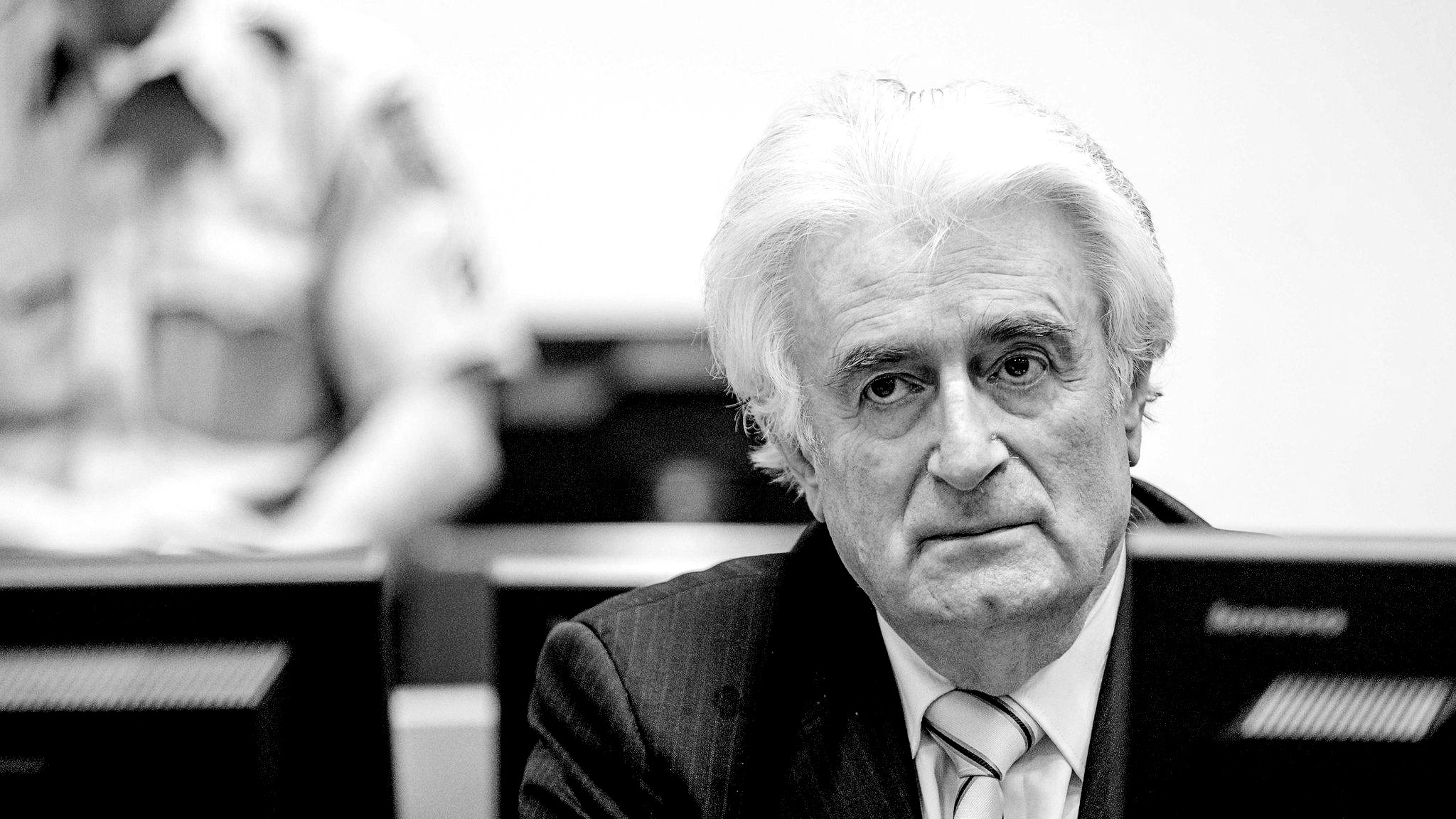
A defining moment for international justice
The conviction of Bosnian Serb political leader Radovan Karadžić marked a historic milestone in the prosecution of war crimes in Europe since the Second World War. Found guilty by the International Criminal Tribunal for the former Yugoslavia, Karadžić was held responsible for some of the most severe atrocities committed during the Bosnian War of the 1990s, including genocide, crimes against humanity, and violations of the laws or customs of war.
The charges and findings
The tribunal concluded that Karadžić played a central role in orchestrating a campaign of ethnic cleansing aimed at permanently removing Bosnian Muslims and Croats from territories claimed by Bosnian Serbs. Among the most serious charges was his involvement in the Srebrenica massacre, where more than 8,000 Bosniak men and boys were killed in July 1995. The court also found him responsible for the prolonged siege of Sarajevo, during which civilians were subjected to shelling and sniper fire over nearly four years.
Command responsibility and intent
Prosecutors successfully demonstrated that Karadžić exercised both political and military authority, enabling him to influence and direct operations carried out by Bosnian Serb forces. The ruling emphasised his intent to terrorise civilian populations and reshape the demographic structure of Bosnia and Herzegovina through systematic violence. The concept of command responsibility was central, establishing that leaders can be held accountable not only for direct actions but also for crimes committed under their authority.

Sentencing and legal significance
Karadžić was initially sentenced to 40 years in prison, a term later increased to life imprisonment following an appeal. The judgement reinforced the legal framework for prosecuting genocide and set a precedent for holding political leaders accountable under international law. It also underscored the role of international tribunals in addressing crimes that transcend national jurisdictions.
Global reaction and legacy
The verdict was widely welcomed by survivors and international observers as a measure of justice, though it also reopened deep wounds across the Balkans. For many, the ruling symbolised accountability after decades of denial and political tension. However, divisions remain in parts of the region where Karadžić is still viewed by some as a nationalist figure rather than a war criminal.
Implications for future conflicts
The case has had lasting implications for global justice mechanisms, reinforcing the principle that political leaders cannot act with impunity during armed conflicts. It has informed the work of subsequent institutions, including the International Criminal Court, and continues to shape international responses to war crimes in modern conflicts.
Newshub Editorial in Europe – March 24, 2026

If you have an account with ChatGPT you get deeper explanations,
background and context related to what you are reading.
Open an account:
Open an account