
• Global
    • Africa
      • Burundi
      • Ghana
      • Gambia
      • Senegal
    • Asia
      • Indonesia
      • Laos
      • Malaysia
      • South Korea
    • Caribbean
      • Central America
    • Climate & energy
      • Climate
      • Carbon
      • Coal
      • Disruptive
      • Gas
      • Nuclear
      • Oil
      • Solar
      • Water
      • Waves
      • Wind
      • Renewable
      • South America
    • Lifestyle
      • Best chefs
      • Cocktail of the week
      • History
      • Influential women
      • Newshub long-read
    • US politics
      • Epstein
  • Finance
    • Africa finance
    • Australia
    • Asia finance
    • Banking
    • Business of the week
    • Central Banks
    • China
    • Commodities
    • Corporate
    • Europe
    • Investment
    • Japan
    • MSTRpay
    • Neobanking
    • South East Asia
    • UK
    • US
  • Fintech
    • Tech
    • AI
    • Blockchain
  • Press releases
  • NF GPT
Friday, February 27, 2026
  • Login
No Result
View All Result
Newshub Finance
  • Global
    • Africa
      • Burundi
      • Ghana
      • Gambia
      • Senegal
    • Asia
      • Indonesia
      • Laos
      • Malaysia
      • South Korea
    • Caribbean
      • Central America
    • Climate & energy
      • Climate
      • Carbon
      • Coal
      • Disruptive
      • Gas
      • Nuclear
      • Oil
      • Solar
      • Water
      • Waves
      • Wind
      • Renewable
      • South America
    • Lifestyle
      • Best chefs
      • Cocktail of the week
      • History
      • Influential women
      • Newshub long-read
    • US politics
      • Epstein
  • Finance
    • Africa finance
    • Australia
    • Asia finance
    • Banking
    • Business of the week
    • Central Banks
    • China
    • Commodities
    • Corporate
    • Europe
    • Investment
    • Japan
    • MSTRpay
    • Neobanking
    • South East Asia
    • UK
    • US
  • Fintech
    • Tech
    • AI
    • Blockchain
  • Press releases
  • NF GPT
  • Global
    • Africa
      • Burundi
      • Ghana
      • Gambia
      • Senegal
    • Asia
      • Indonesia
      • Laos
      • Malaysia
      • South Korea
    • Caribbean
      • Central America
    • Climate & energy
      • Climate
      • Carbon
      • Coal
      • Disruptive
      • Gas
      • Nuclear
      • Oil
      • Solar
      • Water
      • Waves
      • Wind
      • Renewable
      • South America
    • Lifestyle
      • Best chefs
      • Cocktail of the week
      • History
      • Influential women
      • Newshub long-read
    • US politics
      • Epstein
  • Finance
    • Africa finance
    • Australia
    • Asia finance
    • Banking
    • Business of the week
    • Central Banks
    • China
    • Commodities
    • Corporate
    • Europe
    • Investment
    • Japan
    • MSTRpay
    • Neobanking
    • South East Asia
    • UK
    • US
  • Fintech
    • Tech
    • AI
    • Blockchain
  • Press releases
  • NF GPT
No Result
View All Result
Newshub Finance
No Result
View All Result
Download MSTRpay app Download MSTRpay app Download MSTRpay app
ADVERTISEMENT

On this day in 1933: The Reichstag building in Berlin caught fire

On this day in 1933: The Reichstag building in Berlin caught fire

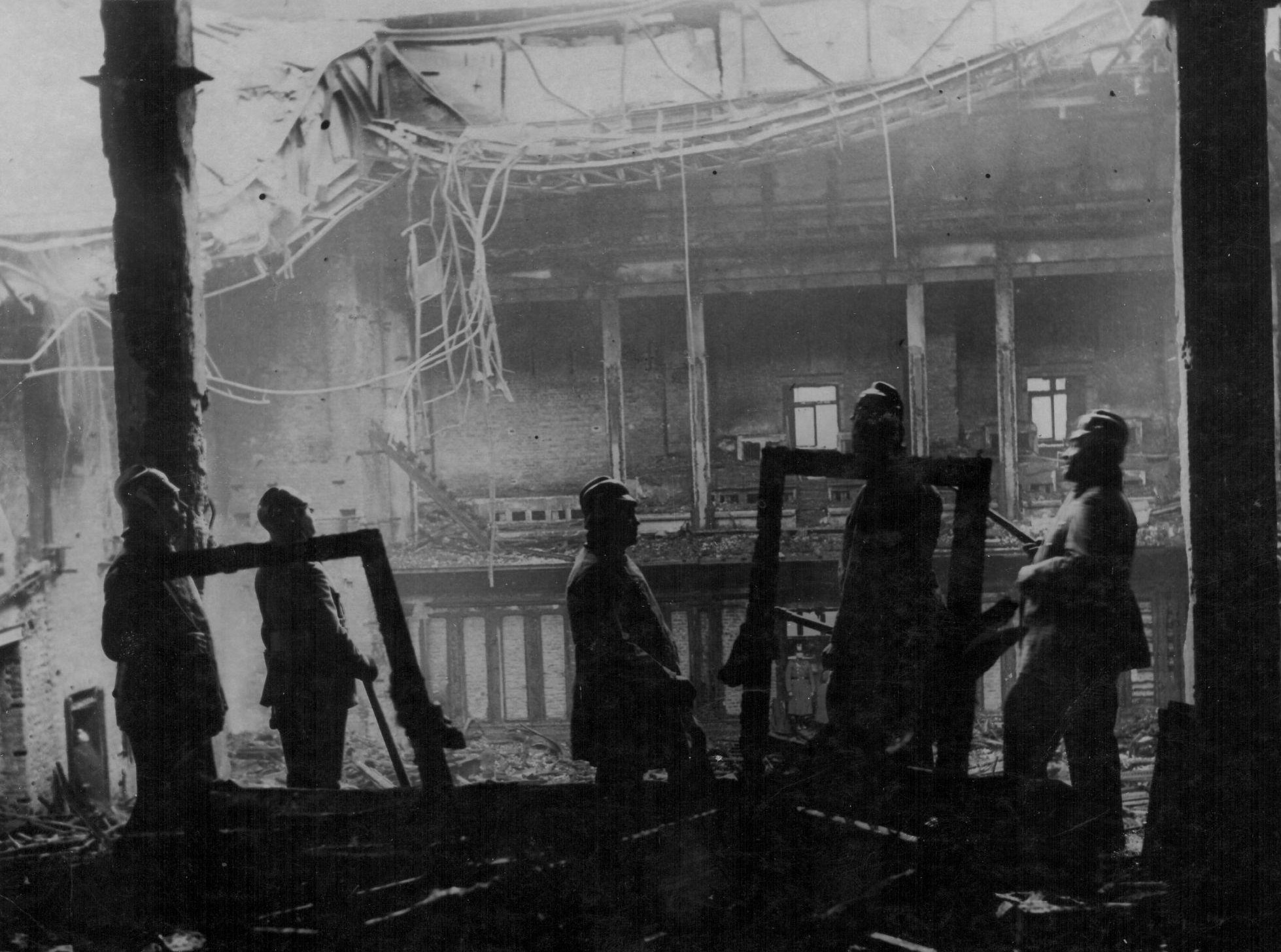
In the evening of 27 February 1933, flames engulfed Germany’s parliament building in Berlin, an event that would rapidly reshape the country’s political landscape and help propel Adolf Hitler toward absolute authority. The Reichstag fire became one of the most consequential political crises in modern European history, unfolding just weeks after Hitler had been appointed Chancellor of Germany.

A mysterious fire in Germany’s parliament
Late on the night of 27 February 1933, Berlin police and firefighters rushed to the Reichstag building after flames were spotted inside the chamber. By the time emergency services arrived, the plenary hall was already engulfed in fire. Authorities soon arrested a Dutch communist, Marinus van der Lubbe, inside the building.

The Nazi leadership, including Adolf Hitler and Hermann Göring, arrived at the scene shortly after the blaze was discovered. Within hours, they publicly blamed the fire on a supposed communist conspiracy to overthrow the German government. Historians have long debated whether van der Lubbe acted alone or whether the fire was manipulated or exploited by the Nazis for political advantage.


Download the MSTRpay app Download the MSTRpay app Download the MSTRpay app

Regardless of the true origin, the fire provided Hitler with a powerful political opportunity at a moment when his position in government was still fragile.

The decisive day after the fire
The morning after the blaze, on 28 February 1933, President Paul von Hindenburg signed the “Reichstag Fire Decree,” formally titled the Decree for the Protection of People and State. Drafted by Hitler’s government, the emergency decree suspended key civil liberties guaranteed by the German constitution.

Freedom of speech, freedom of the press, the right to assemble, and the privacy of postal and telephone communications were effectively abolished. The decree also allowed the government to detain individuals indefinitely without trial.

Within days, thousands of political opponents—primarily communists, but also social democrats and other critics—were arrested. Newspapers were shut down, opposition meetings were banned, and police powers were dramatically expanded.

The Reichstag fire thus became the justification for dismantling Germany’s democratic safeguards.

From emergency powers to dictatorship
The fire occurred just days before a crucial national election scheduled for 5 March 1933. With communist leaders imprisoned and opposition activity suppressed, the Nazi Party gained a significant advantage in the campaign.

Although the Nazis did not win an outright majority, they used the atmosphere of fear and repression created after the fire to push through the Enabling Act later in March 1933. That legislation allowed Hitler’s government to pass laws without parliamentary approval, effectively ending Germany’s democratic system.

Once these powers were secured, the Nazi regime moved quickly to eliminate all political opposition, dismantle independent institutions, and transform Germany into a totalitarian state.

A turning point that reshaped Europe
The Reichstag fire remains one of the most significant turning points in twentieth-century European history. The events of February and March 1933 enabled Hitler to consolidate control over the German state in a matter of weeks.

From that moment, the Nazi regime embarked on a path of militarisation, repression, and expansion that ultimately led to the outbreak of the Second World War in 1939 and the devastation that followed across Europe and beyond.

Historians continue to debate the precise circumstances surrounding the fire itself. Yet there is broad agreement on its political impact: the blaze created the crisis that allowed Hitler to destroy Germany’s democracy and establish the foundations of Nazi rule.

Newshub Editorial in Europe – February 27, 2026

Ask NF GPT

If you have an account with ChatGPT you get deeper explanations,
background and context related to what you are reading.

Open article chat

Open an account:

Open an account
  • Global
  • Finance
  • Fintech
  • Press releases
  • NF GPT

© 2022-2025
MSTRpay/Newshub Finance

Welcome Back!

Login to your account below

Forgotten Password?

Retrieve your password

Please enter your username or email address to reset your password.

Log In

Add New Playlist

No Result
View All Result
  • Global
    • Africa
      • Burundi
      • Ghana
      • Gambia
      • Senegal
    • Asia
      • Indonesia
      • Laos
      • Malaysia
      • South Korea
    • Caribbean
      • Central America
    • Climate & energy
      • Climate
      • Carbon
      • Coal
      • Disruptive
      • Gas
      • Nuclear
      • Oil
      • Solar
      • Water
      • Waves
      • Wind
      • Renewable
      • South America
    • Lifestyle
      • Best chefs
      • Cocktail of the week
      • History
      • Influential women
      • Newshub long-read
    • US politics
      • Epstein
  • Finance
    • Africa finance
    • Australia
    • Asia finance
    • Banking
    • Business of the week
    • Central Banks
    • China
    • Commodities
    • Corporate
    • Europe
    • Investment
    • Japan
    • MSTRpay
    • Neobanking
    • South East Asia
    • UK
    • US
  • Fintech
    • Tech
    • AI
    • Blockchain
  • Press releases
  • NF GPT

© 2022-2025
MSTRpay/Newshub Finance